Navigating Food Additives: What to Look Out For
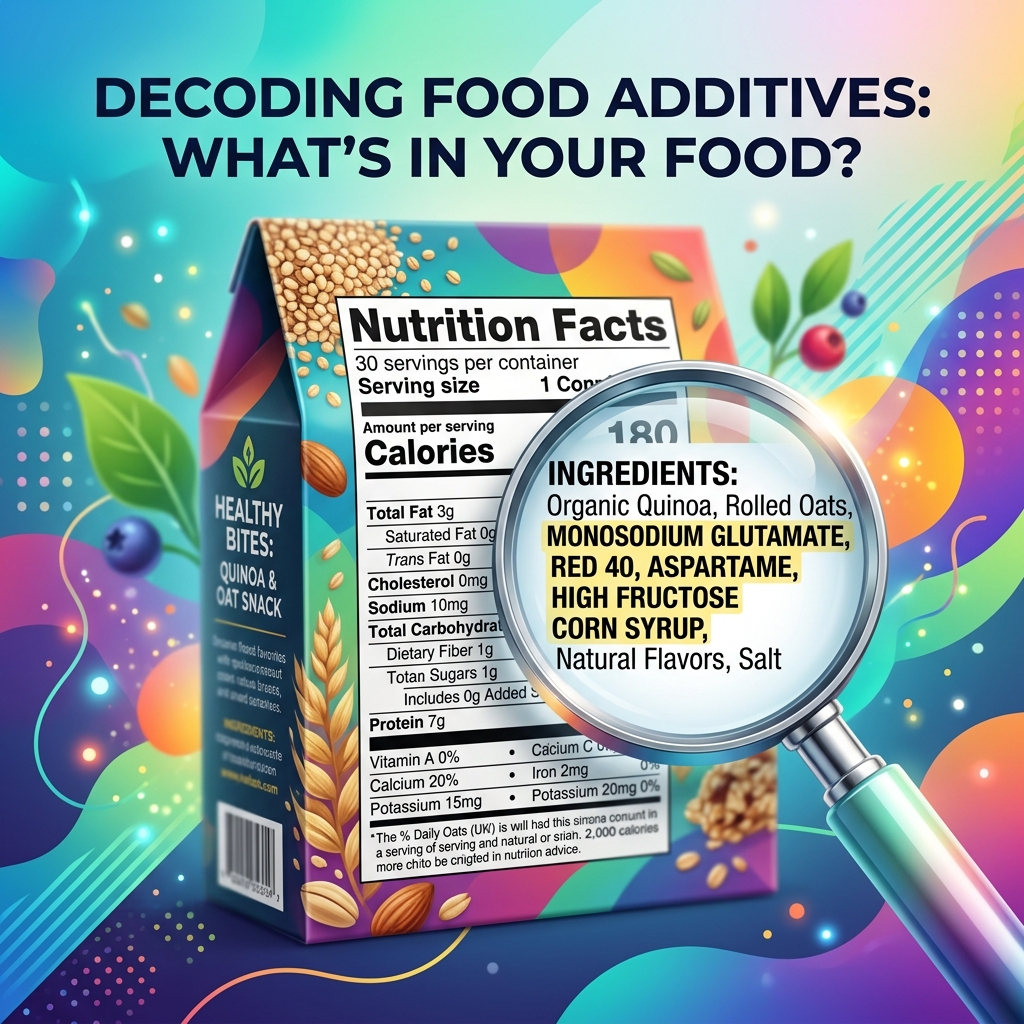
E-numbers and complex chemical names can make reading food labels feel like deciphering a secret code. How do you know which additives are safe for a Halal diet, and which ones are hiding animal byproducts or alcohol?
The Complexity of Modern Additives
If you've ever flipped a package over and found yourself staring at a paragraph of unpronounceable ingredients, you're not alone. Modern processed foods rely heavily on additives to extend shelf life, enhance flavor, prevent separation, and improve texture. While many of these additives are completely benign—derived from plants, minerals, or synthetic processes—others are deeply problematic for consumers adhering to a Halal diet.
The core issue is ambiguity. An ingredient like "glycerin" or "emulsifier" can be derived from plant oils (which is Halal) or animal fats (which is often Haram or Mashbooh, depending on the slaughter method). Because manufacturers are rarely required to specify the source of these sub-ingredients on the packaging, consumers are left in the dark.
Common Culprits to Watch Out For
There are several common additives that frequently raise red flags in the Halal community. Here is a breakdown of what to look out for:
- E120 (Carmine or Cochineal): This widely used red food coloring is extracted from crushed insects. While opinions vary slightly among different schools of thought, many scholars consider it Haram, making it a critical ingredient to monitor in candies, yogurts, and juices.
- E471 (Mono- and Diglycerides of Fatty Acids): These are emulsifiers used to keep oil and water mixed together, commonly found in breads, ice creams, and chocolates. They can be plant-based or animal-based. Without a specific Halal certification, E471 is generally classified as Mashbooh (doubtful).
- Gelatin: Used as a gelling agent in marshmallows, gummy candies, and desserts. Unless explicitly stated as beef gelatin (from a Halal source) or fish gelatin, standard gelatin is often derived from pigs, making it strictly Haram.
- Vanilla Extract and Flavorings: Traditional pure vanilla extract is steeped in alcohol (often over 35% alcohol by volume). While the alcohol burns off during baking, the use of alcohol as an extraction solvent makes it a point of contention and frequently classified as Haram.
- Whey and Cheese Powders: These require enzymes (rennet) to curdle the milk. If the rennet is derived from calves that were not slaughtered according to Halal principles, or from pigs, the resulting whey is not permissible.
The Hidden Dangers of "Natural Flavors"
Perhaps the most frustrating ingredient on any label is "Natural Flavors." This catch-all term can legally encompass extracts from thousands of different plant and animal sources, as long as they are found in nature. Furthermore, these flavors are often carried in alcohol bases. Because the exact composition is considered a proprietary trade secret, it is impossible to verify its Halal status just by reading the package.
Empowering the Consumer with HalalVerify
Memorizing E-numbers and constantly emailing manufacturers to verify ingredient sources is exhausting and impractical. We built HalalVerify to take this heavy lifting off your shoulders. Our platform features an advanced ingredient analyzer that breaks down complex labels instantly.
When you scan a product, HalalVerify highlights any Mashbooh or Haram ingredients, explaining exactly why they are flagged. If an additive has multiple potential sources, we provide the latest data from our manufacturer inquiries and certification board databases to give you the most accurate assessment possible. Shop with confidence, knowing that you have the power to decode the most complex food labels right in your hand.