MASHBOOH
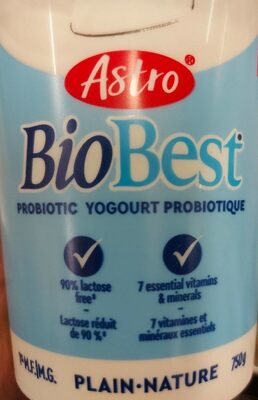
Biobest
Astro
Barcode
0068200347448
Category
Dairies, Fermented foods, Desserts, Fermented milk products, Dairy desserts, Fermented dairy desserts, Yogurts, Cow milk yogurts
Manufactured In
-
Ingredients
skim milk
vitamin a palmitate
vitamin a [beta-carotene
vitamin d3]
cream
whey protein concentrate
milk protein concentrate
agar
pectin
lactase
active bacterial cultures
Status: HALAL
Reason: Milk is a natural product derived from animals that are permissible in Islam, provided they are halal.
Uses: Milk is used for drinking, in cooking, and as an ingredient in various food products such as cheese and yogurt.
Status: HALAL
Reason: Vitamin A palmitate is a synthetic form of vitamin A and does not contain any animal derivatives or alcohol.
Uses: Used as a dietary supplement and in food fortification.
Status: HALAL
Reason: Carotene is a natural pigment found in plants and is not derived from any haram sources.
Uses: Used as a colorant in food products and as a dietary supplement.
Status: MASHBOOH
Reason: Vitamin D can be derived from both animal and plant sources; if derived from animal sources, it may not be halal.
Uses: Fortification of foods, dietary supplements.
Status: MASHBOOH
Reason: The input is not a valid ingredient.
Uses: Unknown
Status: MASHBOOH
Reason: Whey is derived from milk, but its halal status can depend on the source of the rennet used in cheese production and other additives that may not be halal.
Uses: Whey is commonly used as a protein supplement, in food products like cheese, yogurts, and protein powders.
Status: HALAL
Reason: Milk is a natural product derived from animals that are permissible in Islam, provided they are halal.
Uses: Milk is used for drinking, in cooking, and as an ingredient in various food products such as cheese and yogurt.
Status: MASHBOOH
Reason: Not a valid ingredient name.
Uses: Unknown
Status: HALAL
Reason: Pectin is a natural substance derived from fruits and is used as a thickening agent.
Uses: Pectin is commonly used in food products like jams, jellies, and desserts as a gelling agent.
Status: MASHBOOH
Reason: The ingredient name is not valid or specific enough to determine its status.
Uses: Unknown
Status: MASHBOOH
Reason: The term 'culture' is too vague to determine its halal or haram status without specific context (e.g., food culture, bacterial culture, etc.).
Uses: Used in food production (e.g., yogurt, cheese), but specifics vary widely.
Nutrition Facts
calcium
0.225
calcium_100g
0.225
calcium_serving
0.394
calcium_unit
g
calcium_value
0.225
carbohydrates
11


