MASHBOOH
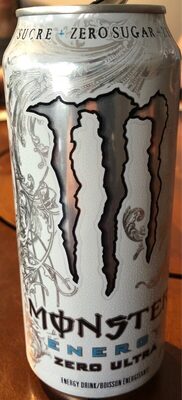
Monster energy zero ultra
Monster Energy
Barcode
0070847015208
Category
Beverages, Artificially sweetened beverages, Energy drinks
Manufactured In
-
Ingredients
carbonated water
citric acid
erythritol
taurine
sodium citrate
naturally and artificially sourced flavours
panax ginseng root extract
caffeine
sorbic acid
sucralose
benzoic acid
acesulfame k
niacinamide
d-calcium pantothenate
salt
guarana seed extract
d-glucuronolactone
inositol
pyridoxine hydrochloride
cyanocobalamin
Status: HALAL
Reason: Water is a natural substance without any impurities or prohibited components.
Uses: Used for drinking, cooking, cleaning, and various other purposes.
Status: HALAL
Reason: Citric acid is a natural organic acid found in citrus fruits and is commonly used as a flavoring and preserving agent.
Uses: Widely used in food products, beverages, and cosmetics as a flavor enhancer and preservative.
Status: MASHBOOH
Reason: The input is not a valid ingredient.
Uses: N/A
Status: MASHBOOH
Reason: Taurine can be derived from animal sources or synthetically produced, making its halal status uncertain without specific information on the source.
Uses: Commonly used in energy drinks, supplements, and food products for its potential health benefits.
Status: HALAL
Reason: Sodium is a mineral and does not derive from animal sources or involve any prohibited substances.
Uses: Commonly used in food preservation, seasoning, and as a dietary supplement.
Status: MASHBOOH
Reason: The specific source of flavours is often not disclosed, and they can be derived from halal or haram substances.
Uses: Used to enhance taste in food and beverages.
Status: MASHBOOH
Reason: The ingredient name is not valid or specific enough to determine its status.
Uses: Unknown
Status: HALAL
Reason: Caffeine is a naturally occurring stimulant found in coffee, tea, and various plants, and it does not contain any haram substances.
Uses: Caffeine is commonly used as a stimulant to increase alertness and reduce fatigue, found in beverages and dietary supplements.
Status: HALAL
Reason: Sorbic acid is a synthetic preservative commonly used in food products to inhibit mold and yeast growth. It is considered halal as it does not derive from any haram sources.
Uses: Used as a preservative in various food products, including cheeses, baked goods, and beverages.
Status: HALAL
Reason: Sucralose is a synthetic sweetener that does not contain any animal derivatives or alcohol and is permissible for consumption in Islam.
Uses: Commonly used as a low-calorie sweetener in food and beverages.
Status: MASHBOOH
Reason: The input is not a valid ingredient name.
Uses: Unknown
Status: MASHBOOH
Reason: The input is not a valid ingredient.
Uses: Unknown
Status: HALAL
Reason: Niacin is a vitamin (B3) that is naturally found in meats, fish, and grains. It is considered halal as it is derived from non-haram sources.
Uses: Niacin is commonly used as a dietary supplement and food additive to improve nutritional value and support metabolic functions.
Status: HALAL
Reason: Calcium is a mineral that can be derived from various sources, including non-animal sources.
Uses: Commonly used as a dietary supplement and in food fortification.
Status: HALAL
Reason: Salt is a mineral primarily composed of sodium chloride and does not contain any haram components.
Uses: Used as a seasoning and preservative in food.
Status: HALAL
Reason: Guarana seed extract is derived from the seeds of the guarana plant and does not contain any haram ingredients.
Uses: Often used as a stimulant in energy drinks, supplements, and weight loss products.
Status: MASHBOOH
Reason: The ingredient name is not valid or specific enough to determine its status.
Uses: Unknown
Status: HALAL
Reason: Inositol is a carbohydrate and is not derived from any haram sources. It is generally recognized as safe and halal.
Uses: Inositol is commonly used in dietary supplements and as a food additive, primarily for its potential health benefits.
Status: MASHBOOH
Reason: The input is not a valid ingredient.
Uses: N/A
Status: HALAL
Reason: Cyanocobalamin is a synthetic form of vitamin B12 and does not involve any haram substances in its production.
Uses: Used as a dietary supplement to treat vitamin B12 deficiency and in food fortification.
Nutrition Facts
alpha-linolenic-acid
0.137
alpha-linolenic-acid_100g
0.137
alpha-linolenic-acid_serving
0.648
alpha-linolenic-acid_unit
mg
alpha-linolenic-acid_value
137
arachidic-acid
2