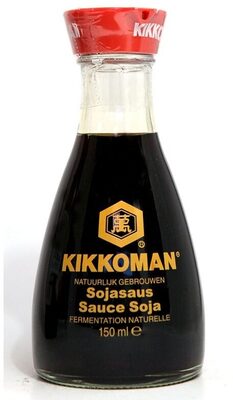
Checking a product without certification? How to review food without a halal label.
Barcode
0078742373287
Category
Condiments, Sauces, Groceries
Manufactured In
-
Ingredients
water
soybean oil
sugar
egg yolks
salt
contains 2% or less of: buttermilk
vinegar
natural flavor (milk)
phosphoric acid
modified cornstarch
monosodium glutamate
xanthan gum
dried garlic
dried onion
spices
color added
with potassium sorbate
sodium benzoate and calcium disodium edta added as preservatives.
Status: HALAL
Reason: Water is a natural substance without any impurities or prohibited components.
Uses: Used for drinking, cooking, cleaning, and various other purposes.
Status: HALAL
Reason: Soybeans are plant-based and do not contain any haram substances.
Uses: Used in various food products such as tofu, soy milk, and as a meat substitute.
Status: HALAL
Reason: Sugar is a natural sweetener and derived from plants like sugarcane or sugar beets, which are considered halal.
Uses: Used in cooking and baking to sweeten a variety of foods and beverages.
Status: HALAL
Reason: Eggs are a natural product, generally permitted in Islamic dietary laws.
Uses: Used in a variety of cuisines and recipes, including baking, cooking, and as a source of protein.
Status: HALAL
Reason: Salt is a mineral and does not contain any animal products or intoxicants.
Uses: Used as a seasoning and preservative in cooking and food preparation.
Status: HALAL
Reason: Milk is a natural product obtained from animals and does not contain any haram elements.
Uses: Used in a variety of food products, beverages, and cooking applications.
Status: HALAL
Reason: Vinegar is made through fermentation of natural substances and does not contain any haram components.
Uses: Used as a condiment, preservative, and in cooking.
Status: HALAL
Reason: Milk is a natural product obtained from animals and does not contain any haram elements.
Uses: Used in a variety of food products, beverages, and cooking applications.
Status: HALAL
Reason: Phosphoric acid is a mineral acid used in food and beverage processing and is derived from phosphate rock or other natural sources.
Uses: Commonly used as a food additive for flavoring, acidifying, and as a preservative in soft drinks and processed foods.
Status: HALAL
Reason: Corn is a plant-based food that is widely accepted as halal.
Uses: Corn is commonly used in food products, snacks, and as a vegetable or grain in various cuisines.
Status: HALAL
Reason: Sodium is a mineral and does not derive from animal sources or involve any prohibited substances.
Uses: Commonly used in food preservation, seasoning, and as a dietary supplement.
Status: HALAL
Reason: Xanthan gum is a polysaccharide produced by fermentation and does not contain any haram ingredients.
Uses: Used as a thickening agent and stabilizer in food products, cosmetics, and pharmaceuticals.
Status: HALAL
Reason: Garlic is a plant-based ingredient that is widely used in cooking and is not derived from any haram sources.
Uses: Garlic is used as a flavoring agent in various cuisines, as well as in herbal medicine for its potential health benefits.
Status: HALAL
Reason: Onion is a vegetable and considered halal as it does not contain any haram substances.
Uses: Onion is commonly used in cooking for flavoring and seasoning in a variety of dishes.
Status: MASHBOOH
Reason: The term 'spices' is too vague and can refer to a wide variety of substances, some of which may contain haram ingredients.
Uses: Flavoring food and enhancing dishes.
Status: MASHBOOH
Reason: The term 'Color' is too vague; it could refer to various colorants that may be derived from halal or haram sources.
Uses: Commonly used in food, cosmetics, and textiles.
Status: HALAL
Reason: Potassium is a mineral that is essential for human health and is not derived from any haram sources.
Uses: Used as a dietary supplement and in various food products.
Status: MASHBOOH
Reason: Disodium EDTA is a synthetic compound used as a preservative and stabilizer. Its halal status is uncertain due to the sourcing of its raw materials.
Uses: Commonly used in food products, cosmetics, and pharmaceuticals as a chelating agent.
Nutrition Facts
Energy per 100 g / 100 ml
367 kcal
Energy per 100 g / 100 ml
1536 kJ
Fat per 100 g / 100 ml
36.67 g
Saturated fat per 100 g / 100 ml
5 g
Carbohydrates per 100 g / 100 ml
6.67 g
Sugars per 100 g / 100 ml
3.33 g
Fibre per 100 g / 100 ml
0 g
Protein per 100 g / 100 ml
0 g
Salt per 100 g / 100 ml
2.4175 g
Sodium per 100 g / 100 ml
0.967 g