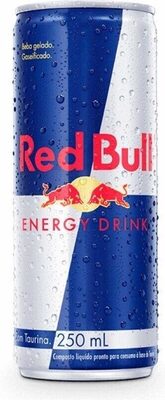
Checking a product without certification? How to review food without a halal label.
Barcode
0611269991000
Category
Beverages, Carbonated drinks, Sodas, Energy drinks, Sweetened beverages
Manufactured In
-
Ingredients
carbonated water
sugar
glucose
citric acid
taurine
natural and artificial flavors
sodium bicarbonate
magnesium carbonate
colors
caffeine
niacinamide
pyridoxine hcl (vitamin b6)
calcium pantothenate
vitamin b12
Status: HALAL
Reason: Water is a natural substance without any impurities or prohibited components.
Uses: Used for drinking, cooking, cleaning, and various other purposes.
Status: HALAL
Reason: Sugar is a natural sweetener and derived from plants like sugarcane or sugar beets, which are considered halal.
Uses: Used in cooking and baking to sweeten a variety of foods and beverages.
Status: HALAL
Reason: Glucose is a simple sugar derived from plants and does not contain any prohibited substances.
Uses: Commonly used as a sweetener in food and beverages.
Status: HALAL
Reason: Citric acid is a natural acid found in citrus fruits and is commonly used as a preservative and flavoring agent.
Uses: Used in food and beverages as an acidifier, preservative, and flavoring agent; also used in cleaning products and cosmetics.
Status: MASHBOOH
Reason: Taurine can be derived from animal sources or synthetically produced, making its halal status uncertain without specific information on the source.
Uses: Commonly used in energy drinks, supplements, and food products for its potential health benefits.
Status: MASHBOOH
Reason: Flavors can be derived from both halal and haram sources; specific information is needed to determine their status.
Uses: Used in food and beverage products to enhance taste.
Status: HALAL
Reason: Sodium is a mineral and does not derive from animal sources or involve any prohibited substances.
Uses: Commonly used in food preservation, seasoning, and as a dietary supplement.
Status: HALAL
Reason: Magnesium carbonate is a mineral compound that is generally considered safe and permissible in halal dietary laws.
Uses: Often used as a food additive, anti-caking agent, and dietary supplement.
Status: MASHBOOH
Reason: The term 'Color' is too vague; it could refer to various colorants that may be derived from halal or haram sources.
Uses: Commonly used in food, cosmetics, and textiles.
Status: HALAL
Reason: Caffeine is a naturally occurring stimulant found in coffee, tea, and various plants, and it does not contain any haram substances.
Uses: Caffeine is commonly used as a stimulant to increase alertness and reduce fatigue, found in beverages and dietary supplements.
Status: HALAL
Reason: Niacin is a vitamin (B3) that is naturally found in meats, fish, and grains. It is considered halal as it is derived from non-haram sources.
Uses: Niacin is commonly used as a dietary supplement and food additive to improve nutritional value and support metabolic functions.
Status: MASHBOOH
Reason: The source of vitamin B6 can vary; it may be synthetic or derived from non-halal sources.
Uses: Vitamin B6 is commonly used as a dietary supplement and in food fortification.
Status: HALAL
Reason: Calcium is a mineral that can be derived from various sources, including non-animal sources.
Uses: Commonly used as a dietary supplement and in food fortification.
Status: MASHBOOH
Reason: Insufficient information to determine if B12 is derived from a halal source.
Uses: Vitamin B12 is used as a supplement and is essential for nerve function, the production of DNA and red blood cells.
Nutrition Facts
Energy per 100 g / 100 ml
44.3 kcal
Energy per 100 g / 100 ml
185 kJ
Fat per 100 g / 100 ml
0 g
Carbohydrates per 100 g / 100 ml
11.7 g
Sugars per 100 g / 100 ml
10.5 g
Fibre per 100 g / 100 ml
10.5 g
Protein per 100 g / 100 ml
0 g
Salt per 100 g / 100 ml
0.106 g
Sodium per 100 g / 100 ml
0.0423 g