MASHBOOH
You you
Aldi
Barcode
26035871
Category
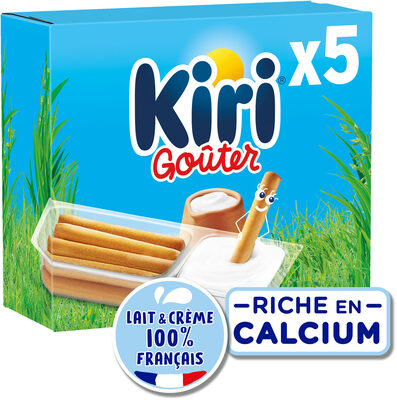
Gouter
Manufactured In
nerviano
Ingredients
sucre
huiles végétales
coco
tournesol
huile d'olive
sirop de glucose-fructose
farine de blé
œufs de poules élevées au sol
lait écrémé réhydrater
lait en poudre
lait écrémé en poudre
cacao maigre en poudre 3.3% beurre de cacao
protéines de lait
fibre de blé
pâte de noisettes
arômes
émulsifiants
mono- et diglycirides d'acides gras
colza
tournesol
palme
lécithine de soja
poudre à lever
carbonate d'ammonium
carbonate de sodium
diphosphates
sel
Status: HALAL
Reason: Natural sweetener, derived from sugarcane or sugar beet.
Uses: sweetening, baking
Status: HALAL
Reason: Plant-derived oils, no animal origin.
Uses: cooking, salad dressings, baking
Status: HALAL
Reason: Refers to cocoa products, plant-derived.
Uses: chocolates, drinks
Status: MASHBOOH
Reason: Tournesol typically refers to sunflower, which is generally halal, but the context (e.g., processing, additives) is unknown.
Uses: Used in cooking oils, seeds, and snacks.
Status: UNKNOWN
Status: HALAL
Reason: Derived from corn or wheat, acceptable for consumption.
Uses: sweetener in beverages, candies
Status: HALAL
Reason: Farine de blé (wheat flour) is derived from wheat, which is considered halal.
Uses: Commonly used in baking, cooking, and food production.
Status: UNKNOWN
Status: UNKNOWN
Status: HALAL
Reason: Powdered milk is derived from milk and should be halal as long as it does not contain any haram additives.
Uses: Used in baking, cooking, and as a dairy substitute in various recipes.
Status: UNKNOWN
Status: UNKNOWN
Status: HALAL
Reason: Protéines de lait sont dérivées du lait, qui est halal.
Uses: Utilisées dans les produits laitiers, les compléments protéinés et diverses recettes culinaires.
Status: HALAL
Reason: Fibre de blé (wheat fiber) is derived from wheat and is not associated with any Haram components.
Uses: Commonly used in food products as a source of dietary fiber and in various health supplements.
Status: HALAL
Reason: Pâte de noisettes is made from hazelnuts and does not contain any haram ingredients.
Uses: Commonly used in confectionery, spreads, and baking.
Status: MASHBOOH
Reason: The term 'arômes' refers to flavorings which can be derived from both halal and haram sources, making its status uncertain without specific details.
Uses: Used in food and beverage products for flavor enhancement.
Status: UNKNOWN
Status: UNKNOWN
Status: HALAL
Reason: Common vegetable oil
Uses: Used in cooking, frying, salad dressings
Status: MASHBOOH
Reason: Tournesol typically refers to sunflower, which is generally halal, but the context (e.g., processing, additives) is unknown.
Uses: Used in cooking oils, seeds, and snacks.
Status: HALAL
Reason: Derived from palm oil, plant-based source.
Uses: cooking, food processing
Status: HALAL
Reason: Lécithine de soja is derived from soybeans and is generally considered halal as it is a plant-based emulsifier and does not contain any haram substances.
Uses: Commonly used as an emulsifying agent in food products, including chocolates, baked goods, and margarine.
Status: UNKNOWN
Status: UNKNOWN
Status: UNKNOWN
Reason: Used in food, further details on production needed.
Uses: leavening, acidity regulator
Status: HALAL
Reason: Generally recognized as halal; used in various food products.
Uses: Leavening agent, stabilizer, emulsifier
Status: MASHBOOH
Reason: Not a specific ingredient; may refer to salt in different contexts or forms that could include additives.
Uses: Commonly used as a seasoning or preservative.
Nutrition Facts
carbohydrates
51
carbohydrates_100g
51
carbohydrates_serving
17.9
carbohydrates_unit
g
carbohydrates_value
51
carbon-footprint-from-known-ingredients_100g
24.7