MASHBOOH
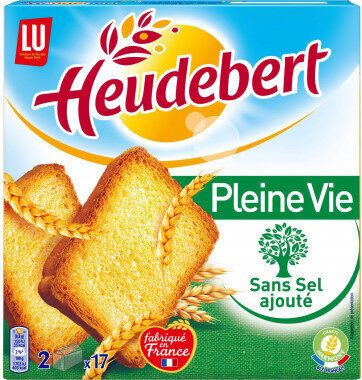
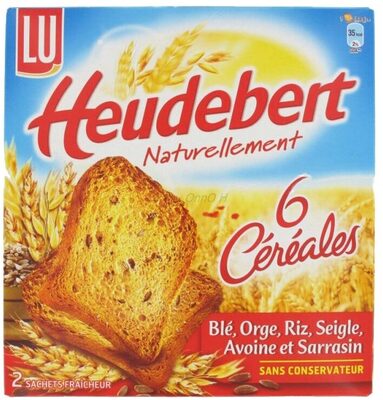
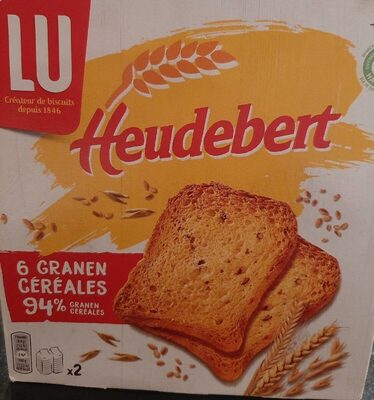
cracotte
lu
Barcode
3041090063152
Category
biscottes
Manufactured In
France
Ingredients
cereals 92% (wheat flour 90,, rye flour)
whey powder
sugar
palm oil
salt
mineral (iron diphosphate)
emulsifier (sunflower lecithin)
Status: HALAL
Reason: Wheat flour is derived from wheat, which is a plant-based ingredient and permissible in Islam.
Uses: Wheat flour is commonly used for baking bread, pastries, and other baked goods.
Status: MASHBOOH
Reason: Whey is derived from milk, but its halal status can depend on the source of the rennet used in cheese production and other additives that may not be halal.
Uses: Whey is commonly used as a protein supplement, in food products like cheese, yogurts, and protein powders.
Status: HALAL
Reason: Sugar is derived from sugarcane or sugar beets and does not contain any haram ingredients.
Uses: Sugar is used as a sweetener in a variety of food and beverage products.
Status: HALAL
Reason: Palm is a plant-derived ingredient and is generally considered halal.
Uses: Palm oil is widely used in cooking, baking, and food manufacturing.
Status: HALAL
Reason: Salt is a mineral primarily composed of sodium chloride and does not contain any haram components.
Uses: Used as a seasoning and preservative in food.
Status: HALAL
Reason: Iron is a mineral and is halal for consumption.
Uses: Iron is commonly used as a dietary supplement and in the fortification of food products.
Status: MASHBOOH
Reason: Emulsifiers can be derived from both halal and haram sources, thus their status can vary; specificity about the source is needed.
Uses: Emulsifiers are commonly used in food products to help blend ingredients that typically do not mix well, such as oil and water.
Nutrition Facts
carbohydrates
78
carbohydrates_100g
78
carbohydrates_serving
5.46
carbohydrates_unit
g
carbohydrates_value
78
carbon-footprint-from-known-ingredients_100g
27.6