HARAM
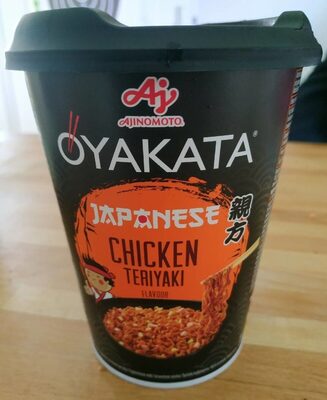
Yakisoba
Tanoshi
Barcode
3229820804996
Category
Plant-based foods and beverages, Plant-based foods, Pastas, Noodles, en:instant-noodles
Manufactured In
Unknown
Ingredients
nouilles
farine de blé
huile de tournesol
sel amidon modifié
sucre
poudres à lever
carbonates de sodium
carbonates de potassium
extrait de curcuma
assaisonnement saveur teriyaki
sauce soja
eau
fèves de soja
blé
sel
huile de colza
eau
sucre
arômes
légumes
ail
oignon
carotte
persil
amidon modifié
sel
vinaigre
maltodextrine
vinaigre de cidre
vinaigre d'alcool
sucre caramélisé
correcteur d'acidité
acétate de sodium
épaississant
gomme xanthane
épices légumes
carotte
champignon
poireau
Status: HALAL
Reason: Standard noodle product with no animal origins mentioned.
Uses: main dish, side dish
Status: HALAL
Reason: Farine de blé (wheat flour) is derived from wheat, which is considered halal.
Uses: Commonly used in baking, cooking, and food production.
Status: HALAL
Reason: Sunflower oil, plant-derived.
Uses: cooking, salad dressings
Status: UNKNOWN
Status: HALAL
Reason: General sugar is halal.
Uses: sweetener
Status: MASHBOOH
Reason: Contains diphosphates and carbonates which may have uncertain halal sources.
Uses: Leavening agent
Status: HALAL
Reason: Commonly used and recognized as halal; derived from mineral sources.
Uses: Leavening agent, acidity regulator
Status: UNKNOWN
Status: UNKNOWN
Status: UNKNOWN
Status: HALAL
Reason: Soy sauce is usually made from fermented soybeans.
Uses: flavoring, seasoning
Status: HALAL
Reason: Water is always Halal.
Uses: solvent, ingredient
Status: UNKNOWN
Status: HALAL
Reason: Blé is wheat in French, which is a plant-based food and permissible in Islam.
Uses: Used in various food products such as bread, pasta, and cereals.
Status: HALAL
Reason: Common food ingredient, universally accepted.
Uses: flavoring, preserving
Status: HALAL
Reason: Canola oil is widely used in cooking and halal.
Status: HALAL
Reason: Water is always Halal.
Uses: solvent, ingredient
Status: HALAL
Reason: General sugar is halal.
Uses: sweetener
Status: MASHBOOH
Reason: The term 'arômes' refers to flavorings which can be derived from both halal and haram sources, making its status uncertain without specific details.
Uses: Used in food and beverage products for flavor enhancement.
Status: UNKNOWN
Status: MASHBOOH
Reason: The ingredient 'ail' is not a standard or commonly recognized ingredient. It may refer to garlic in some contexts, which is generally considered halal, but its ambiguous state makes it uncertain.
Uses: Garlic is commonly used as a flavoring agent in various cuisines.
Status: HALAL
Reason: Oignon (onion) is a vegetable and permissible in Islam.
Uses: Commonly used in various dishes for flavor and nutrition.
Status: HALAL
Reason: Vegetable, entirely plant-based ingredient.
Uses: used in salads, soups, juices
Status: HALAL
Reason: Parsley is Halal.
Status: HALAL
Reason: Modified starch, typically plant-derived.
Uses: thickening, stabilizing agent
Status: HALAL
Reason: Common food ingredient, universally accepted.
Uses: flavoring, preserving
Status: HALAL
Reason: Derived from fermentation, generally accepted as halal.
Uses: preservative, flavoring, condiment
Status: HALAL
Reason: Maltodextrin is derived from starch through hydrolysis and does not contain any haram ingredients.
Uses: Commonly used as a food additive, thickener, or preservative in various food products.
Status: HALAL
Reason: Derived from fermented apple juice, no animal content.
Uses: salad dressing, marinade, cooking
Status: HARAM
Reason: Alcohol vinegar may contain traces of alcohol.
Status: UNKNOWN
Status: HALAL
Reason: Commonly used in food for acidity regulation.
Status: HALAL
Reason: Used as a food preservative, generally halal.
Uses: preservative, flavoring
Status: UNKNOWN
Status: HALAL
Reason: Xanthan gum is commonly used as a thickener.
Uses: thickener, stabilizer
Status: UNKNOWN
Status: HALAL
Reason: Vegetable, entirely plant-based ingredient.
Uses: used in salads, soups, juices
Status: HALAL
Reason: Mushrooms are halal.
Status: HALAL
Reason: Vegetable; inherently halal.
Nutrition Facts
Energy per 100 g / 100 ml
215 kcal
Energy per 100 g / 100 ml
898 kJ
Fat per 100 g / 100 ml
11 g
Saturated fat per 100 g / 100 ml
1.3 g
Carbohydrates per 100 g / 100 ml
24 g
Sugars per 100 g / 100 ml
2 g
Fibre per 100 g / 100 ml
1.4 g
Protein per 100 g / 100 ml
4.2 g
Salt per 100 g / 100 ml
1.8 g
Sodium per 100 g / 100 ml
0.72 g