MASHBOOH
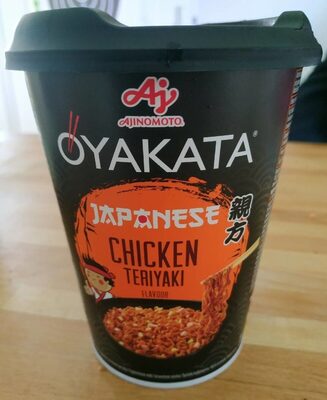
Oyakata Chicken Teriyaki
Ajinomoto
Barcode
5901384507800
Category
Plant-based foods and beverages,Plant-based foods,Dried products,Pastas,Dried products to be rehydrated,Noodles,Instant noodles
Manufactured In
-
Ingredients
instant noodles 76
5% [wheat flour
palm oil
modified starch
salt
raising agents: sodium carbonates
potassium carbonates]
liquid sauce 20% [soy sauce 41% (water, soy beans, wheat, salt)
sunflower oil
cane molasses and inverted sugar syrup
sugar
flavour enhancers: e621
e635; fried garlic
flavourings (contain milk)
ginger
yeast extract
caramelised sugar
onion powder
acidity regulator: citric acid]
carrot
chicken meat pieces 0
cabbage
chive. product may contain: crustaceans
molluscs
sulphur dioxide and sulphites
fish
eggs
celery
mustard
sesame.
Status: MASHBOOH
Reason: The ingredient name is not valid or specific enough to determine its status.
Uses: Unknown
Status: HALAL
Reason: Wheat flour is derived from wheat, which is a plant-based ingredient and permissible in Islam.
Uses: Wheat flour is commonly used for baking bread, pastries, and other baked goods.
Status: HALAL
Reason: Palm is a plant-derived ingredient and is generally considered halal.
Uses: Palm oil is widely used in cooking, baking, and food manufacturing.
Status: HALAL
Reason: Starch is derived from various plant sources and does not contain any haram ingredients.
Uses: Starch is commonly used as a thickening agent in cooking, in food production, and as a binding agent in various recipes.
Status: HALAL
Reason: Salt is a mineral primarily composed of sodium chloride and does not contain any haram components.
Uses: Used as a seasoning and preservative in food.
Status: HALAL
Reason: Sodium is a mineral and does not derive from animal sources or involve any prohibited substances.
Uses: Commonly used in food preservation, seasoning, and as a dietary supplement.
Status: HALAL
Reason: Potassium is a mineral that is essential for human health and is not derived from any haram sources.
Uses: Used as a dietary supplement and in various food products.
Status: HALAL
Reason: Water is a natural substance without any impurities or prohibited components.
Uses: Used for drinking, cooking, cleaning, and various other purposes.
Status: HALAL
Reason: Derived from sunflower seeds, which are plant-based and permissible in halal dietary laws.
Uses: Commonly used in cooking, frying, and as an ingredient in various food products.
Status: HALAL
Reason: Sugar is derived from sugarcane or sugar beets and does not contain any haram ingredients.
Uses: Sugar is used as a sweetener in a variety of food and beverage products.
Status: HALAL
Reason: Sugar is derived from sugarcane or sugar beets and does not contain any haram ingredients.
Uses: Sugar is used as a sweetener in a variety of food and beverage products.
Status: MASHBOOH
Reason: The input does not represent a valid ingredient.
Uses: Unknown
Status: HALAL
Reason: Garlic is a plant-based ingredient that is widely used in cooking and is not derived from any haram sources.
Uses: Garlic is used as a flavoring agent in various cuisines, as well as in herbal medicine for its potential health benefits.
Status: MASHBOOH
Reason: The term 'flavouring' is vague and can refer to substances that may be halal, haram, or derived from questionable sources.
Uses: Used to enhance the taste of food and beverages.
Status: MASHBOOH
Reason: The input is not a valid ingredient name.
Uses: Unknown
Status: HALAL
Reason: Yeast is a type of fungus used in baking and fermentation, and is generally considered halal.
Uses: Used in baking bread, brewing beer, and in fermentation processes.
Status: HALAL
Reason: Sugar is derived from sugarcane or sugar beets and does not contain any haram ingredients.
Uses: Sugar is used as a sweetener in a variety of food and beverage products.
Status: HALAL
Reason: Onion powder is made from dehydrated onions and does not contain any prohibited ingredients.
Uses: Commonly used as a seasoning or flavor enhancer in various dishes.
Status: HALAL
Reason: Citric acid is a natural organic acid found in citrus fruits and is commonly used as a flavoring and preserving agent.
Uses: Widely used in food products, beverages, and cosmetics as a flavor enhancer and preservative.
Status: MASHBOOH
Reason: The ingredient name is not valid or specific enough to determine its status.
Uses: Unknown
Status: HALAL
Reason: Chicken is considered halal as long as it is slaughtered according to Islamic law.
Uses: Used in various dishes, including soups, curries, and grilled preparations.
Status: MASHBOOH
Reason: Not a valid ingredient name.
Uses: Unknown
Status: MASHBOOH
Reason: The input is not a valid ingredient.
Uses: Unknown
Status: MASHBOOH
Reason: The input is not a valid ingredient.
Uses: Unknown
Status: MASHBOOH
Reason: Sulphites are often used as preservatives in food and can come from various sources, making their halal status unclear without specific sourcing information.
Uses: Used as a preservative in foods and beverages, particularly in dried fruits and wine.
Status: MASHBOOH
Reason: The input is not a valid ingredient.
Uses: N/A
Status: HALAL
Reason: Eggs are a natural product, generally permitted in Islamic dietary laws.
Uses: Used in a variety of cuisines and recipes, including baking, cooking, and as a source of protein.
Status: HALAL
Reason: Celery is a plant-based ingredient and is permissible in Islam.
Uses: Celery is commonly used in salads, soups, and as a snack.
Status: HALAL
Reason: Mustard seeds are plant-based and do not contain any haram substances.
Uses: Used as a condiment, in salad dressings, and as flavoring in various cuisines.
Status: MASHBOOH
Reason: The input is not a valid ingredient.
Uses: Unknown
Nutrition Facts
carbohydrates
29.9
carbohydrates_100g
29.9
carbohydrates_prepared
53.9
carbohydrates_prepared_100g
53.9
carbohydrates_prepared_serving
97
carbohydrates_prepared_unit
g


