HARAM
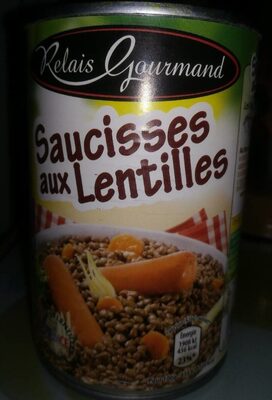
Saucisses aux lentilles
Relais Gourmand
Barcode
3261831200244
Category
Conserves, Viandes et dérivés, Plats préparés, Plats préparés à la viande, Plats préparés en conserve, Plats à base de lentilles, Saucisses aux lentilles
Manufactured In
Bretagne
Ingredients
eau
ientilles réhydratées
2 saucisses fumées
gras de porc
eau
viande de poulet
maigre de tête de porc
viande de porc
bouillon de porc
farine de blé
sel
plasma de porc
fibre de blé
protéines de pois
épices
stabilisants
e450
e451
épaississant
e407
lactose
arôme de fumée
arôme naturel de paprika
conservateur
e250
carottes
oignons
saindoux
concentré de tomate
amidon modifié de pomme de terre
sel
arôme
blé
lactose
arôme de fumée
plantes aromatiqus
exhausteur de goût
e621
arômes naturels
arôme naturel de paprika
Status: HALAL
Reason: Pure water, universally acceptable.
Uses: solvent, ingredient in food
Status: UNKNOWN
Status: UNKNOWN
Status: UNKNOWN
Status: HALAL
Reason: Pure water, universally acceptable.
Uses: solvent, ingredient in food
Status: UNKNOWN
Status: UNKNOWN
Status: UNKNOWN
Status: UNKNOWN
Status: HALAL
Reason: Farine de blé (wheat flour) is derived from wheat, which is considered halal.
Uses: Commonly used in baking, cooking, and food production.
Status: MASHBOOH
Reason: Not a specific ingredient; may refer to salt in different contexts or forms that could include additives.
Uses: Commonly used as a seasoning or preservative.
Status: UNKNOWN
Status: HALAL
Reason: Fibre de blé (wheat fiber) is derived from wheat and is not associated with any Haram components.
Uses: Commonly used in food products as a source of dietary fiber and in various health supplements.
Status: UNKNOWN
Status: HALAL
Reason: Plant-derived flavorings, no animal origin.
Uses: seasoning, flavoring
Status: UNKNOWN
Status: HALAL
Reason: Sodium and potassium phosphates, used as a leavening agent.
Uses: leavening agent in baking
Status: MASHBOOH
Reason: E451 is a food additive that can be derived from both plant and animal sources, making it uncertain in terms of halal status without specific sourcing information.
Status: UNKNOWN
Status: MASHBOOH
Reason: E407, also known as carrageenan, is derived from red seaweed and is generally considered halal, but its processing and potential cross-contamination with haram substances can make its status uncertain.
Status: HALAL
Reason: Dairy sugar, acceptable for consumption.
Uses: sweetener in dairy products
Status: UNKNOWN
Status: UNKNOWN
Status: UNKNOWN
Reason: Generic term for preservatives, requires specific additive info.
Status: HARAM
Reason: E250, also known as sodium nitrite, is often derived from sources that may not be halal and is used as a preservative. Its use is generally discouraged in halal food products.
Status: HALAL
Reason: Naturally occurring vegetable.
Status: HALAL
Reason: Plant-derived ingredient, widely used in cooking.
Uses: seasoning, flavoring
Status: UNKNOWN
Status: UNKNOWN
Status: UNKNOWN
Status: MASHBOOH
Reason: Not a specific ingredient; may refer to salt in different contexts or forms that could include additives.
Uses: Commonly used as a seasoning or preservative.
Status: MASHBOOH
Reason: Generic term; origin uncertain.
Uses: flavoring agent
Status: HALAL
Reason: Blé is wheat in French, which is a plant-based food and permissible in Islam.
Uses: Used in various food products such as bread, pasta, and cereals.
Status: HALAL
Reason: Dairy sugar, acceptable for consumption.
Uses: sweetener in dairy products
Status: UNKNOWN
Status: UNKNOWN
Status: UNKNOWN
Status: HALAL
Reason: Flavor enhancer (MSG), plant-derived.
Uses: flavor enhancer in foods
Status: MASHBOOH
Reason: The term 'arômes naturels' (natural flavors) is vague and can derive from both halal and haram sources, making it questionable without specific information about the source of the flavorings.
Uses: Commonly used in food and beverage products to enhance flavor.
Status: UNKNOWN
Nutrition Facts
carbohydrates
7.6
carbohydrates_100g
7.6
carbohydrates_unit
g
carbohydrates_value
7.6
carbon-footprint-from-known-ingredients_100g
2.52
carbon-footprint-from-known-ingredients_product
10.6


