HARAM
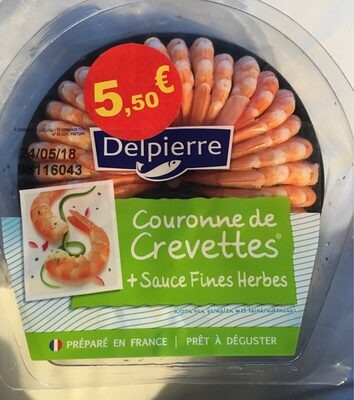
Couronne de crevettes sauce fine herbes
Delpierre
Barcode
3336370050473
Category
Produits de la mer, Crustacés, Frais, Crevettes
Manufactured In
France
Ingredients
crevettes
sel
conservateur
e202
antioxydant
e223
acidifiant
e330
sauce fines herbes
eau
crème fraîche
fromage frais
huile de colza
amidon modifié de pomme de terre
vinaigre
sucre
ciboulette
jaune d'œuf
sel
moutarde de dijon
eau
graine de moutarde
vinaigre
sel
antioxydant
e224
acidifiant
e330
persil
épaississants
e412
e415
e466
ail
acidifiant
e330
conservateur
e202
épice
Status: MASHBOOH
Reason: The ingredient name appears to be part of a larger, unclear description, making it difficult to ascertain its halal status with certainty.
Uses: Typically used in seafood dishes.
Status: HALAL
Reason: Common food ingredient, universally accepted.
Uses: flavoring, preserving
Status: MASHBOOH
Reason: Requires specification of the type of preservative used.
Status: HALAL
Reason: Sodium or potassium salt of sorbic acid, a safe food preservative.
Uses: preservative in various food products
Status: MASHBOOH
Reason: Generic term; needs specification for exact identity.
Uses: preventing oxidation in food
Status: MASHBOOH
Reason: E223 is known as sodium metabisulfite, and its halal status can depend on its source and processing methods, making it questionable.
Status: HALAL
Reason: Generally refers to food acids, usually halal.
Uses: acidulant
Status: HALAL
Reason: Citric acid, plant-derived and widely used.
Uses: acidulant in drinks, foods
Status: UNKNOWN
Status: HALAL
Reason: Water is a natural and essential resource.
Status: UNKNOWN
Status: HALAL
Reason: Fresh cheese is halal if properly sourced.
Status: HALAL
Reason: Commonly used cooking oil.
Uses: cooking oil
Status: UNKNOWN
Status: HALAL
Reason: Derived from fermentation, generally accepted as halal.
Uses: preservative, flavoring, condiment
Status: HALAL
Reason: General sugar is halal.
Uses: sweetener
Status: UNKNOWN
Status: HALAL
Reason: Egg yolk is derived from eggs, which are considered halal.
Uses: Commonly used in cooking and baking as an ingredient in various dishes.
Status: HALAL
Reason: Common food ingredient, universally accepted.
Uses: flavoring, preserving
Status: HARAM
Reason: Contains vinaigre d'alcool (alcoholic vinegar), which is derived from alcohol, making it Haram.
Uses: Commonly used as a condiment in various dishes and sandwiches.
Status: HALAL
Reason: Water is a natural and essential resource.
Status: UNKNOWN
Status: HALAL
Reason: Derived from fermentation, generally accepted as halal.
Uses: preservative, flavoring, condiment
Status: HALAL
Reason: Common food ingredient, universally accepted.
Uses: flavoring, preserving
Status: MASHBOOH
Reason: Generic term; needs specification for exact identity.
Uses: preventing oxidation in food
Status: HALAL
Reason: Sodium metabisulfite, used as a preservative.
Uses: preservative in dried fruits, beverages
Status: HALAL
Reason: Generally refers to food acids, usually halal.
Uses: acidulant
Status: HALAL
Reason: Citric acid, plant-derived and widely used.
Uses: acidulant in drinks, foods
Status: HALAL
Reason: Parsley is Halal.
Status: UNKNOWN
Status: HALAL
Reason: Guar gum, a plant-derived thickening agent.
Uses: thickening, stabilizing in foods
Status: HALAL
Reason: Plant-based thickener and emulsifier.
Uses: thickening in sauces, dressings
Status: HALAL
Reason: Sodium carboxymethyl cellulose, derived from plant cellulose.
Uses: thickener in sauces, dressings
Status: MASHBOOH
Reason: The ingredient 'ail' is not a standard or commonly recognized ingredient. It may refer to garlic in some contexts, which is generally considered halal, but its ambiguous state makes it uncertain.
Uses: Garlic is commonly used as a flavoring agent in various cuisines.
Status: HALAL
Reason: Generally refers to food acids, usually halal.
Uses: acidulant
Status: HALAL
Reason: Citric acid, plant-derived and widely used.
Uses: acidulant in drinks, foods
Status: MASHBOOH
Reason: Requires specification of the type of preservative used.
Status: HALAL
Reason: Sodium or potassium salt of sorbic acid, a safe food preservative.
Uses: preservative in various food products
Status: MASHBOOH
Reason: The term 'épice' refers to spices in general, which can vary and may include both halal and haram ingredients depending on the specific spice and its processing.
Uses: Commonly used as flavoring in various cuisines.
Nutrition Facts
carbohydrates
2
carbohydrates_100g
2
carbohydrates_unit
g
carbohydrates_value
2
carbon-footprint-from-known-ingredients_100g
803.25
carbon-footprint-from-known-ingredients_product
1040


