Checking a product without certification? How to review food without a halal label.
Browse products from Marque Repère
Browse products from P'tit Déli
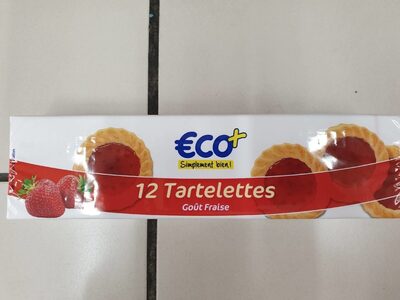
MASHBOOHTartelettes à la fraise
Marque Repère,P'tit Déli
Barcode
3564700855416
Category
Tartlet biscuits with fruit preparation
Manufactured In
-
Ingredients
farine de blé
sirop de glucose-fructose
purée de fraise
beurre concentré
humectant
glycérol
sirop de glucose
sucre
purée de fraise concentrée
sel
arôme
gélifiant
pectines
correcteur d'acidité
e331
acidifiant
acide citrique
œufs en poudre
poudres à lever
e500
e503
Status: HALAL
Reason: Farine de blé (wheat flour) is derived from wheat, which is considered halal.
Uses: Commonly used in baking, cooking, and food production.
Status: HALAL
Reason: Derived from corn or wheat, acceptable for consumption.
Uses: sweetener in beverages, candies
Status: UNKNOWN
Status: UNKNOWN
Status: MASHBOOH
Reason: Functionally unclear, requires specific identification.
Uses: moisture retention in food
Status: UNKNOWN
Status: HALAL
Reason: Derived from corn or wheat, commonly halal.
Uses: sweetener, thickener
Status: HALAL
Reason: Common sugar, halal.
Uses: sweetener, flavor enhancer
Status: UNKNOWN
Status: HALAL
Reason: Common food ingredient, universally accepted.
Uses: flavoring, preserving
Status: MASHBOOH
Reason: Generic term; origin uncertain.
Uses: flavoring agent
Status: UNKNOWN
Status: HALAL
Reason: Commonly used as gelling agent.
Uses: gelling agent, stabilizer
Status: HALAL
Reason: Commonly used in food for acidity regulation.
Status: HALAL
Reason: Sodium citrate, derived from citric acid.
Uses: acid regulator, emulsifier
Status: HALAL
Reason: Generally refers to food acids, usually halal.
Uses: acidulant
Status: HALAL
Reason: Common food acid, plant-derived.
Uses: preservative, flavoring
Status: UNKNOWN
Status: MASHBOOH
Reason: Contains diphosphates and carbonates which may have uncertain halal sources.
Uses: Leavening agent
Status: HALAL
Reason: Sodium carbonates and bicarbonates, used as leavening agents.
Uses: leavening in baked goods
Status: MASHBOOH
Reason: E503 is a food additive (silicates) that may be derived from animal sources, but it is typically synthetic. Its halal status can vary depending on the source.
Nutrition Facts
Energy per 100 g / 100 ml
~ 421.4 kcal
Energy per 100 g / 100 ml
1775 kJ
Fat per 100 g / 100 ml
12 g
Saturated fat per 100 g / 100 ml
7.9 g
Carbohydrates per 100 g / 100 ml
73 g
Sugars per 100 g / 100 ml
27 g
Added sugars per 100 g / 100 ml
~ 27.84375 g
Fibre per 100 g / 100 ml
2.1 g
Protein per 100 g / 100 ml
4.3 g
Salt per 100 g / 100 ml
0.6 g
Sodium per 100 g / 100 ml
0.24 g