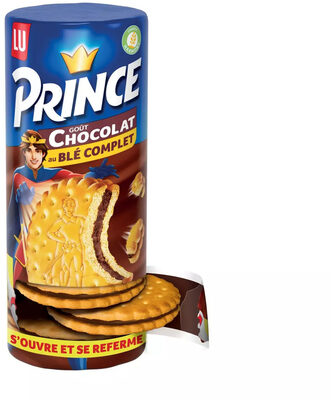
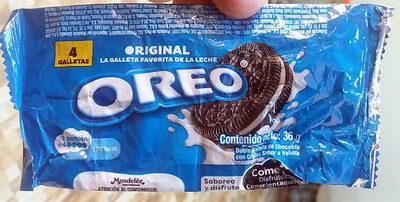
MASHBOOH
бисквити какао
Роден край
Barcode
3800061605568
Category
biscuits,Biscuits,cocoa biscuit
Manufactured In
-
Ingredients
wheat flour 47%
snon-hydrogenated vegetable fats (fats-palm, shea in variable proportion)
cocoa powder 3
whey permeate powder
inverted sugar syrup
soy flour
com starch
pasteurized egg mélange
saft
raising agents (sodium bicarbonate
ammonium bicarbonate emulsifier (rapeseed lecithin)
acidity regulator (citric acid) may contain peanuts
sesame seeds
milk and nuts (hazelnuts)
keep in a dry and cool place
Status: HALAL
Reason: Wheat flour is derived from wheat, which is a plant-based ingredient and permissible in Islam.
Uses: Wheat flour is commonly used for baking bread, pastries, and other baked goods.
Status: HALAL
Reason: Palm is a plant-derived ingredient and is generally considered halal.
Uses: Palm oil is widely used in cooking, baking, and food manufacturing.
Status: HALAL
Reason: Cocoa is derived from cocoa beans, a plant-based ingredient and is permissible in Islam.
Uses: Used in chocolate, desserts, beverages, and various confections.
Status: MASHBOOH
Reason: Whey is derived from milk, but its halal status can depend on the source of the rennet used in cheese production and other additives that may not be halal.
Uses: Whey is commonly used as a protein supplement, in food products like cheese, yogurts, and protein powders.
Status: HALAL
Reason: Sugar is derived from sugarcane or sugar beets and does not contain any haram ingredients.
Uses: Sugar is used as a sweetener in a variety of food and beverage products.
Status: HALAL
Reason: Soy is a plant-based ingredient and does not contain any haram components.
Uses: Commonly used in various food products, including tofu, soy sauce, and as a meat substitute.
Status: HALAL
Reason: Starch is derived from various plant sources and does not contain any haram ingredients.
Uses: Starch is commonly used as a thickening agent in cooking, in food production, and as a binding agent in various recipes.
Status: MASHBOOH
Reason: The input is not a valid ingredient.
Uses: Unknown
Status: MASHBOOH
Reason: The ingredient name is not valid or specific enough to determine its status.
Uses: Unknown
Status: HALAL
Reason: Sodium is a mineral and does not derive from animal sources or involve any prohibited substances.
Uses: Commonly used in food preservation, seasoning, and as a dietary supplement.
Status: MASHBOOH
Reason: The status of emulsifiers can vary based on their source and processing methods. While rapeseed lecithin is often considered halal, ammonium bicarbonate's halal status may depend on its specific production practices.
Uses: Used as a leavening agent in baking and in various food products as an emulsifier.
Status: HALAL
Reason: Peanuts are a plant-based food and have no haram components.
Uses: Used as a snack, in sauces, desserts, and various dishes.
Status: MASHBOOH
Reason: The input is not a valid ingredient.
Uses: Unknown
Status: HALAL
Reason: Hazelnuts are a type of tree nut and are considered permissible in Islam as they do not contain any haram ingredients.
Uses: Hazelnuts are commonly used in confections, baking, cooking, and as a snack.
Status: MASHBOOH
Reason: The input is not a valid ingredient name.
Uses: Unknown
Nutrition Facts
carbohydrates
68.5
carbohydrates_100g
68.5
carbohydrates_unit
g
carbohydrates_value
68.5
energy
2021.3
energy-kcal
483