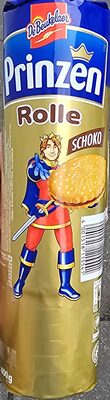
Checking a product without certification? How to review food without a halal label.
Barcode
4000539103742
Category
Imbiss, Süßer Snack, Kakao und Kakaoprodukte, Süßwaren, Schokoladenkonfekt, Pralinen, Pralinenmischung
Manufactured In
-
Ingredients
zucker
kakaomasse
vollmilchpulver
kakaobutter
haselnüsse
butter
reinfett
glukosesirup
magermilchpulver
marc de champagne
milch
milchzucker
sahne
mandeln
emulgator
soja
und sonnenblumen
lecithin
weizenmehl
natürliche aromen
traubenzucker
sahne
aromen
gerstenmalzextrakt
salz
zitronensaftkonzentrat
invertzucker
kokosfett
karamellzuckersirup
einige spezialitäten enthalten alkohol
Status: HALAL
Reason: Sugar is a natural sweetener and is halal.
Uses: sweetener
Status: HALAL
Reason: Kakaomasse is derived from cocoa beans and does not contain any Haram ingredients.
Uses: Used in chocolate production and confections.
Status: HALAL
Reason: Derived from milk, generally halal.
Uses: Used in confectionery, dairy products, baked goods.
Status: HALAL
Reason: Commonly used cocoa butter in food.
Uses: fat, chocolate
Status: HALAL
Reason: Hazelnuts are a type of nut and are permissible in Islam as they do not contain any haram components.
Uses: Used in cooking, baking, confectionery, and as a flavoring ingredient.
Status: HALAL
Reason: Butter is generally considered halal.
Status: UNKNOWN
Reason: Ingredient not clearly defined, requires clarification.
Status: HALAL
Reason: Glucose syrup is typically made from starch and does not contain any haram ingredients.
Uses: Used as a sweetener, thickener, and to enhance texture in various food products.
Status: HALAL
Reason: Skim milk powder is Halal.
Uses: dairy, baking
Status: UNKNOWN
Status: HALAL
Reason: Milk is Halal.
Uses: dairy products
Status: HALAL
Reason: Derived from milk, no animal origin involved.
Uses: sweetener in dairy products, chocolates
Status: MASHBOOH
Reason: Cream may be sourced from either halal or non-halal animals.
Uses: topping, cooking
Status: HALAL
Reason: Nut ingredient is permissible.
Status: MASHBOOH
Reason: Emulgators can be derived from both halal and haram sources. Without specific information on the source, it remains uncertain.
Uses: Emulgators are commonly used in food products to stabilize mixtures such as oil and water, and are found in items like dressings, sauces, and baked goods.
Status: HALAL
Reason: Soybeans (soja) are a plant-based ingredient and are considered halal.
Uses: Commonly used in food products such as tofu, soy milk, and sauces.
Status: UNKNOWN
Status: HALAL
Reason: Derived from plants or eggs, common emulsifier.
Uses: emulsifying agent in products
Status: HALAL
Reason: Wheat flour is plant-based and permissible.
Uses: thickening agent, baking
Status: MASHBOOH
Reason: The term 'natürliche Aromen' (natural flavors) is vague and can vary in sourcing, making it difficult to ascertain if they are derived from halal or haram sources.
Uses: Commonly used in food and beverage products to enhance flavor.
Status: HALAL
Reason: Traubenzucker, known as grape sugar or dextrose, is a monosaccharide derived from corn or grapes and does not contain any haram components.
Uses: Commonly used as a sweetener in food and beverages.
Status: MASHBOOH
Reason: Cream may be sourced from either halal or non-halal animals.
Uses: topping, cooking
Status: HALAL
Reason: Generally refers to flavoring agents, often plant-based.
Uses: flavoring in food and beverages
Status: HALAL
Reason: Gerstenmalzextrakt (Barley Malt Extract) is derived from barley and does not contain any haram ingredients.
Uses: Commonly used as a flavoring agent in food and beverages, particularly in baked goods and malt-based drinks.
Status: HALAL
Reason: Salt is a mineral and always halal.
Uses: flavoring
Status: HALAL
Reason: Lemon juice concentrate is halal.
Status: UNKNOWN
Status: HALAL
Reason: Kokosfett (coconut fat) is derived from coconuts, which are halal.
Uses: Used in cooking and baking, often as a substitute for butter or oils.
Status: HALAL
Reason: Sugar-based syrup, no animal origin.
Uses: sweetener in confections
Status: UNKNOWN
Nutrition Facts
Energy per 100 g / 100 ml
540 kcal
Energy per 100 g / 100 ml
2259 kJ
Fat per 100 g / 100 ml
33 g
Saturated fat per 100 g / 100 ml
18 g
Carbohydrates per 100 g / 100 ml
52 g
Sugars per 100 g / 100 ml
49 g
Protein per 100 g / 100 ml
7.2 g
Salt per 100 g / 100 ml
0.2175 g
Sodium per 100 g / 100 ml
0.087 g