Checking a product without certification? How to review food without a halal label.
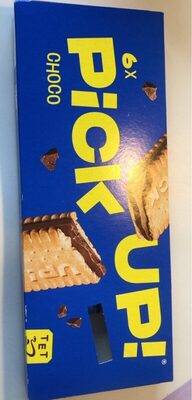
Barcode
4017100266416
Category
Sweet snacks, Biscuits and cakes, Biscuit with chocolate covering
Manufactured In
-
Ingredients
sugar
cocoa butter
cocoa mass
palm oil
whole milk powder
glucose syrup
skimmed milk powder
pastry butter ( milk )
salt
whey powder
raising agents (sodium carbonates, diphosphates)
emulsifier (soya lecithin) flavourings
hazelnuts powder
starch ( wheat )
acidifier (citric acid) may contain: eggs
Status: HALAL
Reason: Sugar is derived from sugarcane or sugar beets and does not contain any haram ingredients.
Uses: Sugar is used as a sweetener in a variety of food and beverage products.
Status: HALAL
Reason: Cocoa butter is derived from cocoa beans and does not contain any haram ingredients.
Uses: Cocoa butter is used in food products, cosmetics, and skincare items.
Status: HALAL
Reason: Cocoa mass is derived from cocoa beans and does not contain any haram substances.
Uses: Used in chocolate production and various desserts.
Status: HALAL
Reason: Palm is a plant-derived ingredient and is generally considered halal.
Uses: Palm oil is widely used in cooking, baking, and food manufacturing.
Status: HALAL
Reason: Milk is a natural product derived from animals that are permissible in Islam, provided they are halal.
Uses: Milk is used for drinking, in cooking, and as an ingredient in various food products such as cheese and yogurt.
Status: HALAL
Reason: Glucose syrup is derived from starch, typically corn or wheat, and does not contain any Haram ingredients.
Uses: Used as a sweetener, thickener, and to enhance the texture of food products.
Status: HALAL
Reason: Milk is a natural product derived from animals that are permissible in Islam, provided they are halal.
Uses: Milk is used for drinking, in cooking, and as an ingredient in various food products such as cheese and yogurt.
Status: HALAL
Reason: Milk is a natural product derived from animals that are permissible in Islam, provided they are halal.
Uses: Milk is used for drinking, in cooking, and as an ingredient in various food products such as cheese and yogurt.
Status: HALAL
Reason: Salt is a mineral primarily composed of sodium chloride and does not contain any haram components.
Uses: Used as a seasoning and preservative in food.
Status: MASHBOOH
Reason: Whey is derived from milk, but its halal status can depend on the source of the rennet used in cheese production and other additives that may not be halal.
Uses: Whey is commonly used as a protein supplement, in food products like cheese, yogurts, and protein powders.
Status: HALAL
Reason: Sodium is a mineral and does not derive from animal sources or involve any prohibited substances.
Uses: Commonly used in food preservation, seasoning, and as a dietary supplement.
Status: MASHBOOH
Reason: The term 'flavouring' is vague and can refer to substances that may be halal, haram, or derived from questionable sources.
Uses: Used to enhance the taste of food and beverages.
Status: HALAL
Reason: Hazelnuts are a type of tree nut and are considered permissible in Islam as they do not contain any haram ingredients.
Uses: Hazelnuts are commonly used in confections, baking, cooking, and as a snack.
Status: HALAL
Reason: Starch is derived from various plant sources and does not contain any haram ingredients.
Uses: Starch is commonly used as a thickening agent in cooking, in food production, and as a binding agent in various recipes.
Status: HALAL
Reason: Citric acid is a natural organic acid found in citrus fruits and is commonly used as a flavoring and preserving agent.
Uses: Widely used in food products, beverages, and cosmetics as a flavor enhancer and preservative.
Nutrition Facts
Energy per 100 g / 100 ml
511 kcal
Energy per 100 g / 100 ml
2139 kJ
Fat per 100 g / 100 ml
26 g
Saturated fat per 100 g / 100 ml
15 g
Carbohydrates per 100 g / 100 ml
61 g
Sugars per 100 g / 100 ml
35 g
Fibre per 100 g / 100 ml
2.8 g
Protein per 100 g / 100 ml
6.9 g
Salt per 100 g / 100 ml
0.196 g
Sodium per 100 g / 100 ml
0.0784 g