MASHBOOH
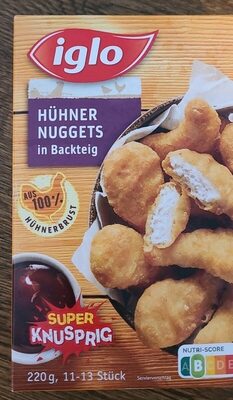
Hähnchen Nuggets
Aro
Barcode
4018905556597
Category
Hähnchen-Nuggets
Manufactured In
Unknown
Ingredients
hähnchenfleisch
panade
_weizenmehl_
_weizenstärke_
maisstärke
tapiokastärke
maismehl
molkepulver
zucker
_weizengluten_
_milcheiweiß_
backtriebmittel
natriumcarbonate
branntweinessig
hefe
speisesalz
gewürze
rapsöl
trinkwasser
speisesalz
getrockneter glukosesirup
gewürzextrakte
dextrose
gewürze
Status: HALAL
Reason: Chicken is permissible in Islam when properly slaughtered.
Status: HALAL
Reason: Commonly used breading mixture, usually halal.
Status: UNKNOWN
Status: UNKNOWN
Status: UNKNOWN
Status: UNKNOWN
Status: HALAL
Reason: Maismehl (corn flour) is derived from corn, which is a plant-based ingredient and is considered halal.
Uses: Used in baking, cooking, and as a thickening agent in various dishes.
Status: UNKNOWN
Status: HALAL
Reason: Common sugar, generally accepted as Halal.
Uses: sweetener
Status: UNKNOWN
Status: UNKNOWN
Status: HALAL
Reason: Common leavening agent, typical halal usage.
Uses: baking agents
Status: UNKNOWN
Status: HALAL
Reason: Branntweinessig, or distilled vinegar, is usually made from grain alcohol which is fermented. The final product is pure vinegar without any alcohol content.
Uses: Commonly used in cooking, pickling, and as a condiment.
Status: HALAL
Reason: Commonly used yeast for baking and brewing.
Status: HALAL
Reason: Table salt is a mineral and generally halal.
Uses: seasoning
Status: HALAL
Reason: Plant-derived, generally halal.
Status: HALAL
Reason: Rapsöl, or rapeseed oil, is derived from the seeds of the rapeseed plant and does not contain any haram substances.
Uses: Commonly used in cooking and food processing as a vegetable oil.
Status: HALAL
Reason: Water is universally halal.
Status: HALAL
Reason: Table salt is a mineral and generally halal.
Uses: seasoning
Status: UNKNOWN
Status: MASHBOOH
Reason: The specific sources of the extracts are not clear, making it difficult to determine if they comply with halal standards.
Uses: Used as flavoring agents in a variety of food products.
Status: HALAL
Reason: Common sweetener, derivable from plants.
Uses: sweetener
Status: HALAL
Reason: Plant-derived, generally halal.
Nutrition Facts
carbohydrates
16
carbohydrates_100g
16
carbohydrates_unit
g
carbohydrates_value
16
energy
843
energy-kcal
201