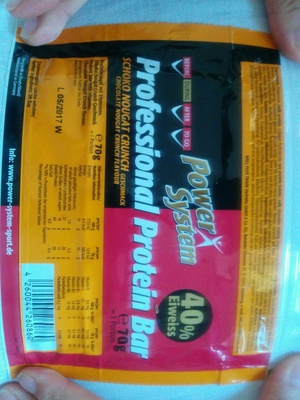
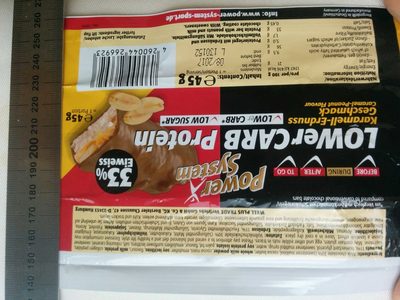
Checking a product without certification? How to review food without a halal label.
Barcode
4056489887034
Category
Proteinriegel
Manufactured In
Unknown
Ingredients
eiweißmischung
milcheiweiß
molkeneiweißkonzentrat
süßungsmittel
maltit
maltit-milchschokolade
süßungsmittel
maltit
vollmilchpulver
kakaobutter** kakaomasse
emulgator
lecithine
natürliches vanille-aoma
kokosal
süßungsmittel
sorbit
feuchthaltemittel
glycerin
kakaopulver
gebrochene kakaobohnen** emulgator
lecithine
natürliches aroma
speisesalz
Status: UNKNOWN
Status: UNKNOWN
Status: UNKNOWN
Status: UNKNOWN
Status: HALAL
Reason: Maltitol is often derived from corn and halal.
Uses: sweetener
Status: UNKNOWN
Status: UNKNOWN
Status: HALAL
Reason: Maltitol is often derived from corn and halal.
Uses: sweetener
Status: HALAL
Reason: Derived from milk, generally halal.
Uses: Used in confectionery, dairy products, baked goods.
Status: UNKNOWN
Status: MASHBOOH
Reason: Emulgators can be derived from both halal and haram sources. Without specific information on the source, it remains uncertain.
Uses: Emulgators are commonly used in food products to stabilize mixtures such as oil and water, and are found in items like dressings, sauces, and baked goods.
Status: HALAL
Reason: Typically sourced from soy; commonly used food additive
Uses: emulsifier
Status: UNKNOWN
Status: UNKNOWN
Status: UNKNOWN
Status: HALAL
Reason: Sorbit is a sugar alcohol derived from glucose and is generally recognized as halal.
Uses: Commonly used as a sweetener in sugar-free products.
Status: HALAL
Reason: Common humectant, typically halal.
Uses: humectant
Status: HALAL
Reason: Generally derived from plants or animal fats, valid for food.
Uses: humectant, preservative
Status: HALAL
Reason: Pure cocoa powder derived from cocoa beans.
Uses: chocolate flavoring, baking
Status: UNKNOWN
Status: HALAL
Reason: Typically sourced from soy; commonly used food additive
Uses: emulsifier
Status: MASHBOOH
Reason: The term 'natürliches Aroma' (natural flavoring) can encompass a wide range of substances, some of which may not be halal.
Uses: Commonly used in food products to enhance flavor.
Status: HALAL
Reason: Common mineral salt, always halal.
Nutrition Facts
Energy per 100 g / 100 ml
357 kcal
Energy per 100 g / 100 ml
1490 kJ
Fat per 100 g / 100 ml
15 g
Saturated fat per 100 g / 100 ml
11.3 g
Carbohydrates per 100 g / 100 ml
41 g
Sugars per 100 g / 100 ml
2.6 g
Fibre per 100 g / 100 ml
1.4 g
Protein per 100 g / 100 ml
29 g
Salt per 100 g / 100 ml
0.26 g
Sodium per 100 g / 100 ml
0.104 g