Checking a product without certification? How to review food without a halal label.
Browse products from Halloween
Browse products from Sweet Land
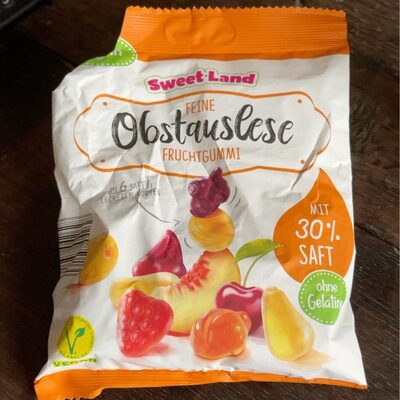
MASHBOOHFeine Obstauslese Fruchtgummi
Halloween, Sweet Land
Barcode
4061458042628
Category
Imbiss, Süßer Snack, Süßwaren, Bonbons
Manufactured In
-
Ingredients
frucht
und gemüsesaft aus frucht
und gemüsesaftkonzentraten
pfirsich
mandarine
birne
kirsche
brombeere
erdbeere
rhabarber
mirabelle
glukosesirup
zucker
modifizierte stärke
dextrose
säuerungsmittel
citronensäure
äpfelsäure
milchsäure
aprikosenmark
aromen
frucht-und pflanzenkonzentrate
karotte
kürbis
apfel
schwarze karotte
kurkuma
sonnenblumenöl überzugsmittel
bienenwachs weiß und gelb
Status: MASHBOOH
Reason: The term 'FRUCHT' is not a specific ingredient; it means 'fruit' in German. Its halal status depends on the specific type of fruit being referred to.
Uses: Commonly used in food and beverages, desserts, and snacks.
Status: UNKNOWN
Status: UNKNOWN
Status: HALAL
Reason: Pfirsich (peach) is a fruit and is naturally halal.
Uses: Used in desserts, salads, juices, and as a fresh snack.
Status: UNKNOWN
Status: UNKNOWN
Status: UNKNOWN
Status: UNKNOWN
Status: HALAL
Reason: Strawberry, plant-based and permissible.
Uses: fresh fruit, jams
Status: UNKNOWN
Status: UNKNOWN
Status: HALAL
Reason: Glucose syrup is typically made from starch and does not contain any haram ingredients.
Uses: Used as a sweetener, thickener, and to enhance texture in various food products.
Status: HALAL
Reason: Natural sugar, widely accepted.
Uses: sweetening foods
Status: HALAL
Reason: Modified starch, generally plant-derived.
Uses: thickening agent
Status: HALAL
Reason: Simple sugar derived from corn or starch.
Uses: sweetener, energy source
Status: UNKNOWN
Status: HALAL
Reason: Citric acid is a natural preservative from citrus fruits.
Uses: preservative, flavor enhancer
Status: HALAL
Reason: Äpfelsäure (malic acid) is a naturally occurring organic compound found in fruits. It is commonly used as a food additive and is halal.
Uses: Used as a flavoring agent in foods and beverages, as well as in dietary supplements.
Status: UNKNOWN
Status: UNKNOWN
Status: HALAL
Reason: Generally refers to flavoring agents, often plant-based.
Uses: flavoring in food and beverages
Status: UNKNOWN
Status: HALAL
Reason: Plant-derived food ingredient.
Uses: vegetable in various dishes
Status: UNKNOWN
Status: HALAL
Reason: Natural fruit, plant-derived.
Uses: flavoring, ingredient in foods
Status: UNKNOWN
Status: UNKNOWN
Status: UNKNOWN
Status: UNKNOWN
Nutrition Facts
Energy per 100 g / 100 ml
338 kcal
Energy per 100 g / 100 ml
1435 kJ
Fat per 100 g / 100 ml
0.5 g
Saturated fat per 100 g / 100 ml
0.1 g
Carbohydrates per 100 g / 100 ml
82 g
Sugars per 100 g / 100 ml
56 g
Fibre per 100 g / 100 ml
0 g
Protein per 100 g / 100 ml
0.1 g