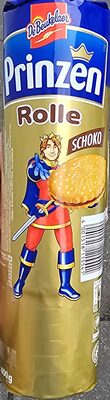
Checking a product without certification? How to review food without a halal label.
Barcode
4061459480696
Category
Imbiss, Süßer Snack, Kakao und Kakaoprodukte, Süßwaren, Schokoladenkonfekt, Riegel, Schokoladen, Schokoriegel
Manufactured In
-
Ingredients
edel-vollmilchschokolade
zucker
vollmilchpulver
kakaobutter
kakaomasse
buttermilch
milchzucker
emulgator
lecithine
vanilleextrakt
pflanzliche fette
palm
shea
zucker
vollmilchpulver
molkenerzeugnis
haselnüsse
mais
apfel
natürliche aromen
emulgator
lecithine
salz
gerstenmalzextrakt
säuerungsmittel
citronensäure
zimt
Status: HALAL
Reason: Chocolate made from milk and cocoa ingredients.
Uses: snacking, confectionery
Status: HALAL
Reason: Common sugar is derived from cane or beet, halal.
Uses: sweetener
Status: HALAL
Reason: Derived from milk, generally halal.
Uses: Used in confectionery, dairy products, baked goods.
Status: HALAL
Reason: Cocoa butter derived from cocoa beans.
Uses: fat in chocolates, confections
Status: HALAL
Reason: Kakaomasse is derived from cocoa beans and does not contain any Haram ingredients.
Uses: Used in chocolate production and confections.
Status: HALAL
Reason: Dairy product made from fermentation.
Uses: dairy ingredient
Status: HALAL
Reason: Derived from milk, no animal origin involved.
Uses: sweetener in dairy products, chocolates
Status: MASHBOOH
Reason: Emulgators can be derived from both halal and haram sources. Without specific information on the source, it remains uncertain.
Uses: Emulgators are commonly used in food products to stabilize mixtures such as oil and water, and are found in items like dressings, sauces, and baked goods.
Status: HALAL
Reason: Usually derived from soy or sunflower, plant-based.
Uses: emulsifier, stabilizer
Status: HALAL
Reason: Natural flavoring from vanilla.
Uses: flavoring in sweets, beverages
Status: HALAL
Reason: Plant fats are generally halal ingredients.
Status: HALAL
Reason: Derived from palm fruits, commonly halal.
Status: HALAL
Reason: Plant-derived fat, used in food and cosmetics.
Uses: emollient, flavoring agent
Status: HALAL
Reason: Common sugar is derived from cane or beet, halal.
Uses: sweetener
Status: HALAL
Reason: Derived from milk, generally halal.
Uses: Used in confectionery, dairy products, baked goods.
Status: HALAL
Reason: Derived from milk, generally considered halal.
Status: HALAL
Reason: Hazelnuts are a type of nut and are permissible in Islam as they do not contain any haram components.
Uses: Used in cooking, baking, confectionery, and as a flavoring ingredient.
Status: HALAL
Reason: Mais (corn) is a plant-based food that is permissible in Islam.
Uses: Used in various food products, including cornmeal, tortillas, snacks, and as a vegetable.
Status: HALAL
Reason: Natural fruit, plant-derived.
Uses: flavoring, ingredient in foods
Status: MASHBOOH
Reason: The term 'natürliche Aromen' (natural flavors) is vague and can vary in sourcing, making it difficult to ascertain if they are derived from halal or haram sources.
Uses: Commonly used in food and beverage products to enhance flavor.
Status: MASHBOOH
Reason: Emulgators can be derived from both halal and haram sources. Without specific information on the source, it remains uncertain.
Uses: Emulgators are commonly used in food products to stabilize mixtures such as oil and water, and are found in items like dressings, sauces, and baked goods.
Status: HALAL
Reason: Usually derived from soy or sunflower, plant-based.
Uses: emulsifier, stabilizer
Status: HALAL
Reason: Commonly used food seasoning.
Uses: seasoning
Status: HALAL
Reason: Gerstenmalzextrakt (Barley Malt Extract) is derived from barley and does not contain any haram ingredients.
Uses: Commonly used as a flavoring agent in food and beverages, particularly in baked goods and malt-based drinks.
Status: UNKNOWN
Status: HALAL
Reason: Citric acid is a natural preservative from citrus fruits.
Uses: preservative, flavor enhancer
Status: HALAL
Reason: Cinnamon, a common spice in food.
Nutrition Facts
Energy per 100 g / 100 ml
572 kcal
Energy per 100 g / 100 ml
2393 kJ
Fat per 100 g / 100 ml
37 g
Saturated fat per 100 g / 100 ml
22 g
Carbohydrates per 100 g / 100 ml
50 g
Sugars per 100 g / 100 ml
47 g
Protein per 100 g / 100 ml
7.9 g
Salt per 100 g / 100 ml
0.37 g
Sodium per 100 g / 100 ml
0.148 g