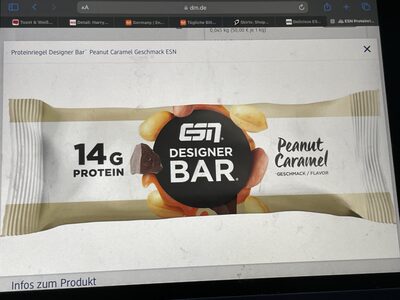
Checking a product without certification? How to review food without a halal label.
Barcode
4250519646534
Category
Dietary supplements, Bodybuilding supplements, Protein bars, en:bars
Manufactured In
-
Ingredients
no added sugar milk chocolate with sweetener
sweetener
maltitol
cocoa butter
whole milk powder
cocoa mass
emulsifier
lecithins
sunflower
rapeseed
soy
natural bourbon vanilla flavor
milk protein
caramel paste
polydextrose
sweetener
maltitol
milk
coconut fat
stabilizer
glycerol
cocoa butter
emulsifier
lecithins
sunflower
salt
stabilizer
pectins
colour
plain caramel
natural flavoring
collagen peptides
bovine
humectant
glycerol
peanut
polydextrose
peanut butter
sunflower oil
flavoring
salt
sweetener
sucralose
depends on availability
advice
excessive consumption may cause laxative effects
Status: UNKNOWN
Status: HALAL
Reason: Typically plant or synthetic origin, no animal-derived components.
Uses: sweetening beverages, food products
Status: HALAL
Reason: Sugar alcohol, synthesized from plant sources.
Uses: sweetener in sugar-free products
Status: HALAL
Reason: Fat from cocoa beans, used in chocolate.
Uses: fat, ingredient
Status: HALAL
Reason: Dairy product, permissible in food.
Uses: milk substitute, ingredient
Status: HALAL
Reason: Plant-derived ingredient from cocoa beans.
Uses: primary ingredient in chocolate
Status: MASHBOOH
Reason: Emulsifiers vary; halal status depends on source.
Uses: emulsifier, texture agent
Status: HALAL
Reason: Common emulsifier, usually plant-based.
Uses: emulsifier, stabilizer, thickener
Status: HALAL
Reason: Sunflower is a plant-based ingredient and does not contain any haram substances.
Uses: Sunflower is commonly used for cooking oil, snacks, and as a source of seeds and flour.
Status: HALAL
Reason: Plant-derived oil, no animal content.
Uses: cooking, dressings
Status: HALAL
Reason: Plant-based ingredient.
Status: UNKNOWN
Status: HALAL
Reason: Milk protein is commonly used and typically halal.
Status: UNKNOWN
Status: HALAL
Reason: Polydextrose is a synthetic carbohydrate derived from glucose and sorbitol, which are considered halal.
Uses: Commonly used as a food additive for bulking, thickening, and as a dietary fiber in various food products.
Status: HALAL
Reason: Typically plant or synthetic origin, no animal-derived components.
Uses: sweetening beverages, food products
Status: HALAL
Reason: Sugar alcohol, synthesized from plant sources.
Uses: sweetener in sugar-free products
Status: HALAL
Reason: Milk is a common halal food.
Status: HALAL
Reason: Plant-derived fat with no animal origin.
Status: MASHBOOH
Reason: Generic term; needs specification for halal status.
Status: HALAL
Reason: Typically derived from plant oils or fats.
Uses: humectant, sweetener, solvent
Status: HALAL
Reason: Fat from cocoa beans, used in chocolate.
Uses: fat, ingredient
Status: MASHBOOH
Reason: Emulsifiers vary; halal status depends on source.
Uses: emulsifier, texture agent
Status: HALAL
Reason: Common emulsifier, usually plant-based.
Uses: emulsifier, stabilizer, thickener
Status: HALAL
Reason: Sunflower is a plant-based ingredient and does not contain any haram substances.
Uses: Sunflower is commonly used for cooking oil, snacks, and as a source of seeds and flour.
Status: HALAL
Reason: Commonly used, permissible seasoning.
Uses: seasoning
Status: MASHBOOH
Reason: Generic term; needs specification for halal status.
Status: HALAL
Reason: Natural gelling agents derived from fruit.
Uses: thickening in jams, jellies
Status: HALAL
Reason: Food coloring is generally halal.
Uses: coloring agent
Status: HALAL
Reason: Typically derived from sugar, halal.
Status: HALAL
Reason: Derived from natural sources, typically plant-based.
Uses: flavoring in food and drinks
Status: UNKNOWN
Status: HARAM
Reason: Derived from cow, not halal unless specified.
Status: MASHBOOH
Reason: Functionally unclear, requires specific identification.
Uses: moisture retention in food
Status: HALAL
Reason: Typically derived from plant oils or fats.
Uses: humectant, sweetener, solvent
Status: HALAL
Reason: Peanuts are a plant-based food and do not contain any haram components.
Uses: Peanuts are commonly used in snacks, salads, and various cuisines, as well as in peanut butter and oils.
Status: HALAL
Reason: Polydextrose is a synthetic carbohydrate derived from glucose and sorbitol, which are considered halal.
Uses: Commonly used as a food additive for bulking, thickening, and as a dietary fiber in various food products.
Status: HALAL
Reason: Nut derived ingredient
Uses: spread, filling, flavoring
Status: HALAL
Reason: Oil derived from sunflower seeds, considered halal.
Uses: frying, baking, emulsifier
Status: HALAL
Reason: Synthetic or natural flavor compounds.
Uses: flavoring in various food products
Status: HALAL
Reason: Commonly used, permissible seasoning.
Uses: seasoning
Status: HALAL
Reason: Typically plant or synthetic origin, no animal-derived components.
Uses: sweetening beverages, food products
Status: HALAL
Reason: Artificial sweetener, commonly used.
Uses: sweetener
Status: UNKNOWN
Status: UNKNOWN
Reason: Not an ingredient, informational text.
Status: UNKNOWN
Reason: Warning; does not indicate halal status.
Nutrition Facts
Energy per 100 g / 100 ml
409 kcal
Energy per 100 g / 100 ml
1710 kJ
Fat per 100 g / 100 ml
19.6 g
Saturated fat per 100 g / 100 ml
9.56 g
Carbohydrates per 100 g / 100 ml
33.3 g
Sugars per 100 g / 100 ml
4.22 g
Fibre per 100 g / 100 ml
5.33 g
Protein per 100 g / 100 ml
31.1 g
Salt per 100 g / 100 ml
0.461 g
Sodium per 100 g / 100 ml
0.184 g


