Checking a product without certification? How to review food without a halal label.
Barcode
4270004636215
Category
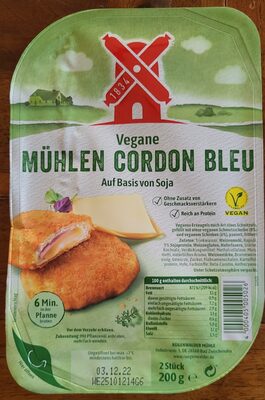
Meat alternatives,Meat analogues,Prepared meat cuts substitutes,Ham substitutes
Manufactured In
-
Ingredients
trinkwasser
weizenprotein
erbsenprotein
ackerbohnenprotein
weizenstärke
pflanzliche fette
shea
kokos
säureregulator
calciumcitrate
salz
sheaöl
aroma
färbende lebensmittel
rettich
karottenkonzentrat
karamellisierter zuckersirup
emulgator
sonnenblumenlecithine
Status: HALAL
Reason: Drinking water is permissible.
Status: UNKNOWN
Status: UNKNOWN
Status: UNKNOWN
Reason: The ingredient could not be clearly classified as Halal or Haram based on available data.
Uses: Ackerbohnenprotein is commonly used as a plant-based protein source in various food products.
Status: HALAL
Reason: Wheat starch, permissible in Islam.
Uses: thickening agent, cooking
Status: UNKNOWN
Status: HALAL
Reason: Plant-derived fat, used in food and cosmetics.
Uses: emollient, flavoring agent
Status: HALAL
Reason: Kokos, or coconut, is a natural fruit and does not contain any haram substances.
Uses: Commonly used in cooking, baking, and as a flavoring agent in various cuisines.
Status: UNKNOWN
Status: HALAL
Reason: Mineral salt, non-animal origin.
Status: HALAL
Reason: Commonly used salt is halal.
Status: UNKNOWN
Status: HALAL
Reason: Generally plant-derived flavoring ingredient.
Uses: flavoring in candies, drinks
Status: UNKNOWN
Status: HALAL
Reason: Plant-derived food ingredient.
Uses: vegetable in salads
Status: HALAL
Reason: Carrot concentrate is Halal
Status: UNKNOWN
Status: MASHBOOH
Reason: Emulgators can be derived from both halal and haram sources. Without specific information on the source, it remains uncertain.
Uses: Emulgators are commonly used in food products to stabilize mixtures such as oil and water, and are found in items like dressings, sauces, and baked goods.
Status: HALAL
Reason: Sonnenblumenlecithine (sunflower lecithin) is derived from sunflower oil and does not contain any haram components.
Uses: Widely used as an emulsifier in food products, cosmetics, and dietary supplements.
Nutrition Facts
Energy per 100 g / 100 ml
209 kcal
Energy per 100 g / 100 ml
874 kJ
Fat per 100 g / 100 ml
6.9 g
Saturated fat per 100 g / 100 ml
3 g
Carbohydrates per 100 g / 100 ml
6.3 g
Sugars per 100 g / 100 ml
1.5 g
Protein per 100 g / 100 ml
28 g
Salt per 100 g / 100 ml
2.1625 g
Sodium per 100 g / 100 ml
0.865 g