MASHBOOH
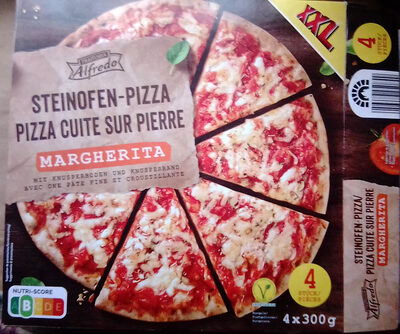
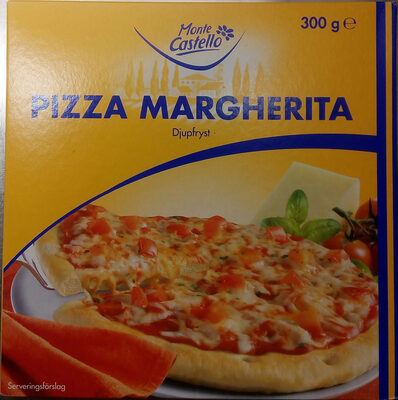
Pizza Margherita
San Fabio,Penny
Barcode
4337256818254
Category
Margherita Pizza,Frozen pizzas
Manufactured In
-
Ingredients
weizenmehl
tomaten
wasser
edamer
mozzarella
hefe
speisesalz
rapsol
stärke
weizenstärke
kräuter
dextrose
gewürze
Status: HALAL
Reason: Wheat flour is plant-based and permissible.
Uses: thickening agent, baking
Status: HALAL
Reason: Tomatoes are a plant-based food and do not contain any haram substances.
Uses: Used in cooking, salads, sauces, and various food products like ketchup.
Status: HALAL
Reason: Water is a natural substance that is free from impurities and holds no religious prohibition.
Uses: Used for drinking, cooking, and various other applications.
Status: HALAL
Reason: Common cheese made from pasteurized cow's milk.
Uses: snacking, cooking
Status: HALAL
Reason: Dairy cheese product.
Status: MASHBOOH
Reason: The term 'Hefe' can refer to yeast, which is commonly used in baking and brewing. However, its halal status can depend on the source and any additional ingredients used in processing.
Uses: Commonly used in bread, beer, and other fermented products.
Status: HALAL
Reason: Common food salt used as seasoning.
Uses: seasoning, preservative
Status: MASHBOOH
Reason: The term 'rapsol' is not a well-defined ingredient and may be a misspelling or variation of 'rapeseed' oil, which is used in food products. Therefore, its status requires further clarification.
Uses: Typically used in cooking and food production, available in forms such as oil.
Status: HALAL
Reason: Starch from plant sources.
Status: HALAL
Reason: Wheat starch, permissible in Islam.
Uses: thickening agent, cooking
Status: MASHBOOH
Reason: The term 'Kräuter' refers to herbs in general and can include both halal and haram varieties; specific herbs would need to be identified to determine status.
Uses: Kräuter are commonly used in cooking and herbal remedies for flavoring and health benefits.
Status: HALAL
Reason: Simple sugar derived from corn or starch.
Uses: sweetener, energy source
Status: HALAL
Reason: Plant-derived, generally halal.
Nutrition Facts
carbohydrates
104
carbohydrates_100g
34.7
carbohydrates_serving
104
carbohydrates_unit
g
carbohydrates_value
104
energy
2732