Checking a product without certification? How to review food without a halal label.
MASHBOOH
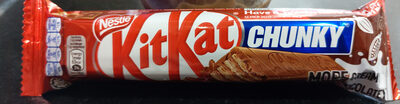
Twix 3x2
Twix
Barcode
5000159559362
Category
Barre chocolatée biscuitée type KitKat
Manufactured In
Unknown
Ingredients
sucre
sirop de glucose
farine de blé
matière grasse de palme
lait écrémé en poudre
beurre de cacao
pâte de cacao
perméat de lactosérum
matière grasse du lait
cacao maigre en poudre
sel
émulsifiant
lécithine de soja
poudre à lever
e500
arôme
autres céréales contenant du gluten
Status: HALAL
Reason: Natural sugar from plant sources.
Uses: sweetener in foods and beverages
Status: HALAL
Reason: Derived from plant starch, no animal origin.
Uses: sweetener in confections
Status: HALAL
Reason: Farine de blé (wheat flour) is derived from wheat, which is considered halal.
Uses: Commonly used in baking, cooking, and food production.
Status: UNKNOWN
Status: UNKNOWN
Status: HALAL
Reason: Beurre de cacao (cocoa butter) is a plant-based fat derived from cocoa beans and does not contain any ingredients derived from haram sources.
Uses: Commonly used in chocolate production, cosmetics, and baking.
Status: HALAL
Reason: Pâte de cacao is derived from cacao beans and does not contain any haram ingredients.
Uses: Used in chocolate production and confectionery items.
Status: UNKNOWN
Status: UNKNOWN
Status: HALAL
Reason: Cacao powder is derived from cacao beans and does not contain any haram ingredients.
Uses: Used in baking, cooking, and making chocolates or beverages.
Status: MASHBOOH
Reason: Not a specific ingredient; may refer to salt in different contexts or forms that could include additives.
Uses: Commonly used as a seasoning or preservative.
Status: UNKNOWN
Status: HALAL
Reason: Lécithine de soja is derived from soybeans and is generally considered halal as it is a plant-based emulsifier and does not contain any haram substances.
Uses: Commonly used as an emulsifying agent in food products, including chocolates, baked goods, and margarine.
Status: UNKNOWN
Status: HALAL
Reason: Sodium carbonates and bicarbonates, used as leavening agents.
Uses: leavening in baked goods
Status: MASHBOOH
Reason: Generic term; origin uncertain.
Uses: flavoring agent
Status: UNKNOWN
Nutrition Facts
Energy per 100 g / 100 ml
493 kcal
Energy per 100 g / 100 ml
2063 kJ
Fat per 100 g / 100 ml
24 g
Saturated fat per 100 g / 100 ml
14 g
Carbohydrates per 100 g / 100 ml
65 g
Sugars per 100 g / 100 ml
48 g
Protein per 100 g / 100 ml
4.6 g
Salt per 100 g / 100 ml
0.39 g
Sodium per 100 g / 100 ml
0.156 g