Checking a product without certification? How to review food without a halal label.
Barcode
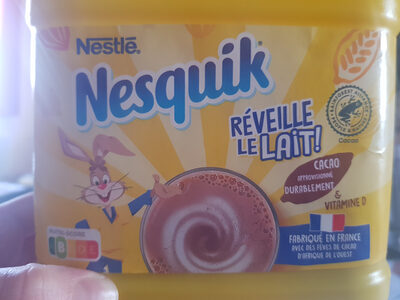
7613035239562
Category
de:schokoladen, en:instant-chocolate-powders
Manufactured In
Pontarlier,France
Ingredients
sugar
lean cocoa (21.3%)
emulsifier: soy lecithin
salt
vitamins: c
b1
d
minerals: iron pyrophosphate
zinc sulphate
cinnamon
natural aroma
Status: HALAL
Reason: Sugar is derived from sugarcane or sugar beets and does not contain any haram ingredients.
Uses: Sugar is used as a sweetener in a variety of food and beverage products.
Status: HALAL
Reason: Cocoa is derived from cocoa beans, a plant-based ingredient and is permissible in Islam.
Uses: Used in chocolate, desserts, beverages, and various confections.
Status: MASHBOOH
Reason: Emulsifiers can be derived from both halal and haram sources, thus their status can vary; specificity about the source is needed.
Uses: Emulsifiers are commonly used in food products to help blend ingredients that typically do not mix well, such as oil and water.
Status: HALAL
Reason: Salt is a mineral primarily composed of sodium chloride and does not contain any haram components.
Uses: Used as a seasoning and preservative in food.
Status: MASHBOOH
Reason: The input is not a valid ingredient.
Uses: Unknown
Status: MASHBOOH
Reason: The input is not a valid ingredient.
Uses: N/A
Status: MASHBOOH
Reason: The input does not correspond to a recognizable food ingredient.
Uses: Unknown
Status: HALAL
Reason: Iron is a mineral and is halal for consumption.
Uses: Iron is commonly used as a dietary supplement and in the fortification of food products.
Status: MASHBOOH
Reason: Zinc is a mineral that can be found in various supplements and food sources. The purity of the source needs to be confirmed to ensure it is Halal, as some supplements may contain non-Halal additives.
Uses: Zinc is commonly used in dietary supplements for immune support, wound healing, and overall health.
Status: HALAL
Reason: Cinnamon is a spice derived from the bark of trees belonging to the Cinnamomum family and is permissible in Islam.
Uses: Cinnamon is commonly used in cooking, baking, and as a flavoring agent in various dishes and beverages.
Status: MASHBOOH
Reason: The input is not a valid ingredient.
Uses: Unknown
Nutrition Facts
Energy per 100 g / 100 ml
70 kcal
Energy per 100 g / 100 ml
296 kJ
Fat per 100 g / 100 ml
1.8 g
Saturated fat per 100 g / 100 ml
1.1 g
Carbohydrates per 100 g / 100 ml
9.8 g
Sugars per 100 g / 100 ml
9.5 g
Fibre per 100 g / 100 ml
0.4 g
Protein per 100 g / 100 ml
3.6 g
Salt per 100 g / 100 ml
0.00014 g
Sodium per 100 g / 100 ml
0.000056 g