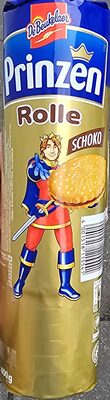
Checking a product without certification? How to review food without a halal label.
Barcode
8001585001330
Category
Imbiss, Süßer Snack, Kekse und Kuchen, Kuchen, Gebäck
Manufactured In
Balconi Spa, Via XX Settembre 51 - 20014 - Nerviano (MI), Italia
Ingredients
sugar
vegetable fats (palm, palm kernel, coconut fat, sunflower oil in variable proportions)
glucose-fructose syrup
eggs* (11%)
wheat flour
reconstituted skimmed milk (10.2%)
milk powder
skimmed cocoa powder (3.7%)
skimmed milk powder
hazelnut paste
emulsifiers: mono - and diglycerides of fatty acids
soy lecithins
alcohol
milk protein
flavourings
raising agents: ammonium carbonates
sodium carbonates
diphosphates
salt
may contain traces of other nuts
*from barn hens
Status: HALAL
Reason: Plant-derived sweetener, no impurities.
Uses: sweetening beverages, foods
Status: UNKNOWN
Status: HALAL
Reason: Derived from sugar, no animal origin.
Uses: sweetener in beverages, confectionery
Status: UNKNOWN
Status: HALAL
Reason: Plant-derived, no animal origin.
Uses: baking, thickening
Status: UNKNOWN
Status: HALAL
Reason: Milk powder is made from milk, which is a halal ingredient as long as it does not contain non-halal additives.
Uses: Used in baking, cooking, and as a nutrient supplement in various food products.
Status: UNKNOWN
Status: HALAL
Reason: Dairy product from halal sources.
Uses: ingredient in baked goods, sauces
Status: HALAL
Reason: Hazelnut paste is derived from hazelnuts, which are plant-based and halal.
Uses: Used in desserts, spreads, and confections.
Status: MASHBOOH
Reason: The halal status of mono- and diglycerides depends on the source of the fatty acids; if derived from halal sources, they are considered halal, otherwise haram.
Uses: Commonly used in food products to improve texture and stability.
Status: HALAL
Reason: Emulsifier derived from soybeans, plant source.
Uses: emulsifying agent in food
Status: HARAM
Reason: Commonly associated with consumption and usage of intoxicating substances.
Status: HARAM
Reason: Derived from dairy, if not from halal sources.
Uses: protein enrichment
Status: HALAL
Reason: Synthetic or natural, no animal origin.
Uses: flavoring in food and beverages
Status: HALAL
Reason: Ammonium carbonates are typically used as leavening agents and do not contain any haram ingredients.
Uses: Commonly used in baking for leavening purposes to help dough rise.
Status: HALAL
Reason: Inorganic compound, not derived from animal sources.
Uses: leavening agent, pH regulator
Status: HALAL
Reason: Generally recognized as halal; used in various food products.
Uses: Leavening agent, stabilizer, emulsifier
Status: HALAL
Reason: Mineral, no animal origin.
Uses: seasoning, preservation
Status: UNKNOWN
Status: UNKNOWN
Nutrition Facts
Energy per 100 g / 100 ml
427 kcal
Energy per 100 g / 100 ml
1786 kJ
Fat per 100 g / 100 ml
21.6 g
Saturated fat per 100 g / 100 ml
15.7 g
Carbohydrates per 100 g / 100 ml
51.4 g
Sugars per 100 g / 100 ml
37.3 g
Protein per 100 g / 100 ml
5.9 g
Salt per 100 g / 100 ml
0.3 g
Sodium per 100 g / 100 ml
0.12 g