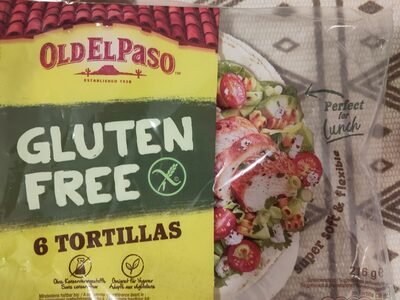
Checking a product without certification? How to review food without a halal label.
Barcode
8410076474001
Category
de:brote, de:glutenfreies-brot, de:glutenfreies-geschnittenes-brot, en:brote
Manufactured In
-
Ingredients
tapioca starch (53%)
water
flour
but white (8%)
stablisants: glycerol
xanthan gum
quinoa flour (4%)
flour of amaranth
emulsifier:mono-and diglycerides serand of fatty acids
salt
Status: HALAL
Reason: Tapioca starch is derived from tapioca, a starch extracted from the cassava root, which is a plant-based source and does not contain any haram ingredients or contaminants.
Uses: Commonly used as a thickening agent in cooking and baking, in gluten-free products, and as a binding agent.
Status: HALAL
Reason: Water is a natural substance without any impurities or prohibited components.
Uses: Used for drinking, cooking, cleaning, and various other purposes.
Status: HALAL
Reason: Flour is typically made from grains that are considered Halal.
Uses: Flour is used in baking and cooking for a variety of foods, such as bread, pastries, and sauces.
Status: MASHBOOH
Reason: The input is not a valid ingredient.
Uses: N/A
Status: MASHBOOH
Reason: The ingredient name is not valid or specific enough to determine its status.
Uses: Unknown
Status: HALAL
Reason: Xanthan gum is a polysaccharide produced by fermentation and does not contain any haram ingredients.
Uses: Used as a thickening agent and stabilizer in food products, cosmetics, and pharmaceuticals.
Status: MASHBOOH
Reason: The input is not a valid ingredient name.
Uses: Unknown
Status: MASHBOOH
Reason: The input is not a valid ingredient.
Uses: Unknown
Status: MASHBOOH
Reason: Emulsifiers can be derived from both halal and haram sources, thus their status can vary; specificity about the source is needed.
Uses: Emulsifiers are commonly used in food products to help blend ingredients that typically do not mix well, such as oil and water.
Status: HALAL
Reason: Salt is a mineral primarily composed of sodium chloride and does not contain any haram components.
Uses: Used as a seasoning and preservative in food.
Nutrition Facts
Energy per 100 g / 100 ml
266 kcal
Energy per 100 g / 100 ml
1125 kJ
Fat per 100 g / 100 ml
1.5 g
Saturated fat per 100 g / 100 ml
0.6 g
Carbohydrates per 100 g / 100 ml
59.2 g
Sugars per 100 g / 100 ml
2.3 g
Fibre per 100 g / 100 ml
3.9 g
Protein per 100 g / 100 ml
1.9 g
Salt per 100 g / 100 ml
1.17 g
Sodium per 100 g / 100 ml
0.468 g


