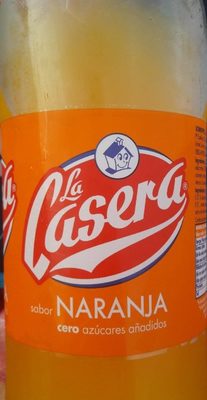
Checking a product without certification? How to review food without a halal label.
Barcode
8410283018005
Category
Refresco
Manufactured In
Madrid
Ingredients
agua carbonatada
zumo de naranja a partir de concentrado
acido cítrico
331iii
edulcorantes
e952
e954
e955
antioxidante
ácido ascórbico
estabilizantes
e414
e445
conservador
e211
aromas
colorantes
carotenos
e160e
Status: HALAL
Reason: Commonly used carbonated beverage ingredient.
Uses: beverages, carbonation
Status: UNKNOWN
Status: UNKNOWN
Status: UNKNOWN
Status: HALAL
Reason: Commonly used artificial sweeteners.
Status: MASHBOOH
Reason: E952 is known as acesulfame potassium, a synthetic sweetener that may have halal concerns regarding its manufacturing process.
Status: HALAL
Reason: Synthetic sweetener (Saccharin).
Uses: sweetening food products
Status: HALAL
Reason: Sucralose, a non-caloric sweetener, not animal derived.
Uses: sweetener in low-calorie products
Status: HALAL
Reason: Used to prevent spoilage; plant-derived often.
Status: HALAL
Reason: Vitamin C, plant-derived or synthetic.
Uses: antioxidant in food
Status: HALAL
Reason: Used to maintain consistency in food products.
Uses: stabilizers
Status: MASHBOOH
Reason: E414 is known as Acacia gum, which is derived from the sap of acacia trees. While it is plant-based and generally considered halal, there may be concerns about the source and processing methods.
Uses: E414 is commonly used as a thickener, stabilizer, and emulsifier in various food products and confectionery.
Status: MASHBOOH
Reason: E445 is a food additive derived from animal and/or plant sources; its halal status depends on the source of the ingredient.
Status: HALAL
Reason: Commonly used as a preservative in food.
Uses: preservatives
Status: HALAL
Reason: Sodium benzoate (E211), food preservative.
Uses: preservative in beverages, sauces
Status: HALAL
Reason: Flavor compounds, usually synthetic or natural.
Uses: flavoring in various food products
Status: MASHBOOH
Reason: Colors may be synthetic or plant-based; origin uncertain.
Uses: coloring in snacks, beverages
Status: HALAL
Reason: Naturally occurring pigments from plants.
Uses: coloring, nutritional supplements
Status: MASHBOOH
Reason: E160e is a food colorant derived from natural sources, but its exact source may vary; hence, it is considered uncertain without specific information about its origin.
Nutrition Facts
Energy per 100 g / 100 ml
1.5 kcal
Energy per 100 g / 100 ml
6 kJ
Fat per 100 g / 100 ml
0 g
Saturated fat per 100 g / 100 ml
0 g
Carbohydrates per 100 g / 100 ml
0.1 g
Sugars per 100 g / 100 ml
0.1 g
Protein per 100 g / 100 ml
0 g
Salt per 100 g / 100 ml
0.08 g
Sodium per 100 g / 100 ml
0.032 g