Checking a product without certification? How to review food without a halal label.
MASHBOOH
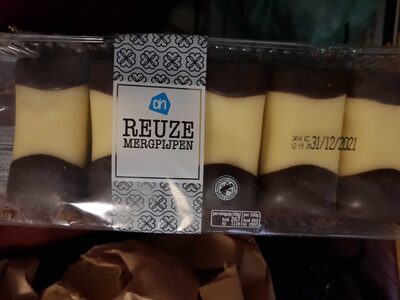
Reuze Mergpijpen
AH
Barcode
8718907399494
Category
Koek, snoep, chocolade, Koek, Alledaagse koeken
Manufactured In
-
Ingredients
suiker
vet
palm
palmpit
kokos
scharrelei
tarwebloem
water
sojaboon
tarwezetmeel
glucosestroop
glucose-fructosestroop
raapolie
stabilisator
sorbitolen
e420
glycerol
e422
invertase
e1103
sojameel
frambozenpuree
cacaopoeder
frambozenpuree
emulgator
mono- en diglyceriden van vetzuren
e471
sorbitaantristearaat
e492
sojalecithinen
e322
mageremelkpoeder
zout
geleermiddel
natriumalginaat
e401
pectinen
e440
zuurteregelaar
natriumcitraten
e331
citroenzuur
e330
rijsmiddel
natriumcarbonaten
e500
verdikkingsmiddel
xanthaangom
e415
natuurlijk aroma
aroma
conserveermiddel
kaliumsorbaat
e202
zie voor meer informatie ra.org
Status: HALAL
Reason: Suiker, or sugar, is derived from plants and does not contain any haram ingredients.
Uses: Used as a sweetener in various food and beverage products.
Status: HALAL
Reason: Fat, typically halal if plant or permissible animal source.
Uses: ingredient, texture agent
Status: HALAL
Reason: Palm oil is widely used and typically halal.
Uses: oil, fat
Status: HALAL
Reason: Edible palm product.
Uses: fat
Status: HALAL
Reason: Kokos, or coconut, is a natural fruit and does not contain any haram substances.
Uses: Commonly used in cooking, baking, and as a flavoring agent in various cuisines.
Status: HALAL
Reason: Free-range eggs, halal.
Status: MASHBOOH
Reason: The ingredient name appears to be invalid or misspelled.
Uses: Unknown
Status: HALAL
Reason: Pure and universally considered halal.
Status: UNKNOWN
Status: HALAL
Reason: Wheat starch is food-grade.
Uses: thickening agent, stabilizer
Status: HALAL
Reason: Derived from starch, typically plant-based.
Uses: sweetening agent in foods
Status: MASHBOOH
Reason: The ingredient name appears to be misspelled or not a commonly recognized ingredient, leading to uncertainty about its halal status.
Uses: Commonly used as a sweetener in various food products.
Status: HALAL
Reason: Commonly used oil, halal status confirmed.
Status: MASHBOOH
Reason: Generic term; specifics needed.
Status: HALAL
Reason: Common sugar alcohol used as a sweetener.
Status: MASHBOOH
Reason: E420 (Sorbitan monostearate) is derived from sorbitol and stearic acid, which can be of plant or animal origin. The exact source is often unspecified, hence its status is uncertain.
Status: HALAL
Reason: Typically derived from plant oils or fats.
Uses: humectant, sweetener, solvent
Status: HALAL
Reason: Glycerol, a humectant derived from vegetable oils or animal fats.
Uses: humectant in sweets, baked goods
Status: HALAL
Reason: Commonly used in confectionery, halal.
Uses: sweetener, food additive
Status: MASHBOOH
Reason: E1103 is a food additive (a type of emulsifier) which may be derived from both halal and haram sources, making its status uncertain without specific sourcing information.
Status: HALAL
Reason: Plant-based flour from soybeans.
Status: UNKNOWN
Status: HALAL
Reason: Cocoa powder is derived from cocoa beans.
Status: UNKNOWN
Status: HALAL
Reason: Typically derived from plant or animal sources, used for emulsifying.
Uses: emulsifying agent
Status: HALAL
Reason: Mono- and diglycerides are often derived from vegetable sources.
Uses: emulsifier
Status: HALAL
Reason: Emulsifier derived from plant and animal fats.
Uses: emulsifier in food products
Status: UNKNOWN
Status: MASHBOOH
Reason: E492 is a food additive (sorbitan esters) and its halal status can vary based on the source of the fatty acids used in its production, making it uncertain without specific information about its origin.
Status: HALAL
Reason: Derived from soybeans, no animal ingredients.
Uses: emulsifier in chocolates, baked goods
Status: HALAL
Reason: Lecithin, derived from soy or egg, an emulsifier.
Uses: emulsifier in foods
Status: HALAL
Reason: Skimmed milk powder, dairy product.
Uses: baking, dairy products
Status: HALAL
Reason: Salt is halal.
Uses: seasoning, preservation
Status: HALAL
Reason: Commonly used gelling agent; typically halal.
Uses: gelling agent
Status: UNKNOWN
Status: MASHBOOH
Reason: E401 is a food additive known as sodium alginate, derived from algae. Its halal status depends on the source and processing methods.
Status: HALAL
Reason: Commonly used as gelling agent in foods.
Uses: gelling agent, stabilizer
Status: MASHBOOH
Reason: E440 refers to pectin, which is derived from fruit and is generally considered halal, but the processing methods can vary.
Status: MASHBOOH
Reason: Acid regulator; needs specific type to classify.
Status: HALAL
Reason: Sodium salts of citric acid, safe for consumption.
Uses: buffering agent, acidity regulator
Status: HALAL
Reason: Sodium citrate, derived from citric acid.
Uses: acid regulator, emulsifier
Status: HALAL
Reason: Natural acidulant, derived from citrus.
Uses: acidulant in food and beverages
Status: HALAL
Reason: Citric acid, plant-derived and widely used.
Uses: acidulant in drinks, foods
Status: UNKNOWN
Reason: Generic term, specific E-code needed.
Status: UNKNOWN
Status: HALAL
Reason: Sodium carbonates and bicarbonates, used as leavening agents.
Uses: leavening in baked goods
Status: HALAL
Reason: Used for thickening foods.
Uses: thickening agent
Status: HALAL
Reason: Food thickener and stabilizer.
Uses: thickener, stabilizer
Status: HALAL
Reason: Plant-based thickener and emulsifier.
Uses: thickening in sauces, dressings
Status: HALAL
Reason: Natural flavors derived from plants, no animal products.
Uses: flavoring in foods
Status: HALAL
Reason: Commonly used flavoring agent, usually halal.
Uses: flavoring, scent
Status: UNKNOWN
Reason: Generic term for preservatives, specific E-code needed.
Status: HALAL
Reason: Potassium salt of sorbic acid, safe for food.
Uses: preservative in food
Status: HALAL
Reason: Sodium or potassium salt of sorbic acid, a safe food preservative.
Uses: preservative in various food products
Status: UNKNOWN
Nutrition Facts
Energy per 100 g / 100 ml
455 kcal
Energy per 100 g / 100 ml
~ 1893.9 kJ
Fat per 100 g / 100 ml
22 g
Saturated fat per 100 g / 100 ml
12 g
Carbohydrates per 100 g / 100 ml
60 g
Sugars per 100 g / 100 ml
53 g
Added sugars per 100 g / 100 ml
~ 47.3571514423077 g
Fibre per 100 g / 100 ml
0.9 g
Protein per 100 g / 100 ml
3.1 g
Salt per 100 g / 100 ml
0.5 g
Sodium per 100 g / 100 ml
0.2 g