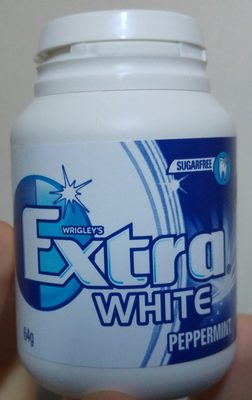
Checking a product without certification? How to review food without a halal label.
Barcode
8723400944324
Category
Chewing-gum sans sucres
Manufactured In
Unknown
Ingredients
edulcorants
maltitols
sorbitols
aspartame
acesulfame-k
gomme base
arômes
humectant
glycerol
gelatine
emulsifiant
lécithines
colorant
complexes cuivre-chlorophylles
cuivre-chlorophyllines
agent d'enrobage
cire de carnauba
epaississant
gomme cellulosique
Status: HALAL
Reason: Sweeteners can be halal; depends on the type used.
Status: HALAL
Reason: Sugar alcohol, plant-derived sweetener.
Uses: sweetening in low-calorie products
Status: HALAL
Reason: Sugar alcohol, non-caloric sweetener
Uses: sweetener, humectant
Status: HALAL
Reason: Synthetic sweetener, no animal origin.
Uses: low-calorie sweetener
Status: HALAL
Reason: Artificial sweetener with no animal origin, safe for consumption.
Uses: sweetener in beverages, food products
Status: HALAL
Reason: Used as a thickening agent, no animal source.
Uses: thickening in sauces, desserts
Status: MASHBOOH
Reason: The term 'arômes' refers to flavorings which can be derived from both halal and haram sources, making its status uncertain without specific details.
Uses: Used in food and beverage products for flavor enhancement.
Status: MASHBOOH
Reason: Functionally unclear, requires specific identification.
Uses: moisture retention in food
Status: HALAL
Reason: Typically derived from plant oils or fats.
Uses: humectant, sweetener, solvent
Status: HALAL
Reason: Common gelling agent, typically halal.
Uses: gelling agent
Status: MASHBOOH
Reason: Emulsifiers may come from animal fat or plant sources.
Status: UNKNOWN
Status: MASHBOOH
Reason: Depends on specific colorant type used.
Status: UNKNOWN
Status: UNKNOWN
Status: UNKNOWN
Status: HALAL
Reason: Plant-derived wax, used in food products.
Uses: glazing agent in candies, fruits
Status: MASHBOOH
Reason: Requires specific identification for classification.
Uses: thickening in soups, sauces
Status: HALAL
Reason: Plant-derived thickener, generally halal.
Uses: thickening, stabilizing
Nutrition Facts
Energy per 100 g / 100 ml
174 kcal
Energy per 100 g / 100 ml
725 kJ
Fat per 100 g / 100 ml
0.3 g
Saturated fat per 100 g / 100 ml
0.1 g
Carbohydrates per 100 g / 100 ml
68 g
Sugars per 100 g / 100 ml
0.1 g
Added sugars per 100 g / 100 ml
~ 0 g
Protein per 100 g / 100 ml
1.2 g
Salt per 100 g / 100 ml
0.03 g
Sodium per 100 g / 100 ml
~ 0.012 g