Checking a product without certification? How to review food without a halal label.
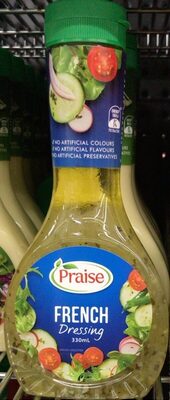
Barcode
9310047206244
Category
Condiments, Sauces, Salad dressings
Manufactured In
-
Ingredients
water
sunflower oil [antioxidant (320)]
sugar
white vinegar (9%)
food acids (330, 332)
salt
vegetable gums (407, 410, 415, 440)
garlic (1%) [food add (330))
parsley (0.2%)
colours (paprika extract, carrot extract). may contain sesame.
Status: HALAL
Reason: Water is a natural substance without any impurities or prohibited components.
Uses: Used for drinking, cooking, cleaning, and various other purposes.
Status: HALAL
Reason: Derived from sunflower seeds, which are plant-based and permissible in halal dietary laws.
Uses: Commonly used in cooking, frying, and as an ingredient in various food products.
Status: HALAL
Reason: Sugar is a natural carbohydrate that is derived from sugarcane or sugar beets, which are halal.
Uses: Sugar is commonly used as a sweetener in various foods and beverages.
Status: HALAL
Reason: Vinegar is made through fermentation of natural substances and does not contain any haram components.
Uses: Used as a condiment, preservative, and in cooking.
Status: MASHBOOH
Reason: Food acids (330, 332) can be derived from either plant or animal sources, and without specific information about their origins, it is uncertain whether they are halal or haram.
Uses: Commonly used as food preservatives and emulsifiers.
Status: HALAL
Reason: Salt is a mineral and does not contain any haram components.
Uses: Used as a seasoning and preservative in food.
Status: MASHBOOH
Reason: The input is not a valid ingredient.
Uses: Unknown
Status: HALAL
Reason: Garlic is a plant-based ingredient that is widely used in cooking and is not derived from any haram sources.
Uses: Garlic is used as a flavoring agent in various cuisines, as well as in herbal medicine for its potential health benefits.
Status: MASHBOOH
Reason: The input '2%' is not a valid ingredient name and cannot be classified.
Uses: N/A
Status: HALAL
Reason: Paprika extract is derived from the dried fruits of the Capsicum annuum plant and does not contain any haram ingredients.
Uses: Used as a spice for flavoring, coloring, and garnishing in various culinary dishes.
Nutrition Facts
Energy per 100 g / 100 ml
222 kcal
Energy per 100 g / 100 ml
930 kJ
Fat per 100 g / 100 ml
18 g
Saturated fat per 100 g / 100 ml
2 g
Carbohydrates per 100 g / 100 ml
14 g
Protein per 100 g / 100 ml
1 g
Salt per 100 g / 100 ml
2.67 g
Sodium per 100 g / 100 ml
1.07 g