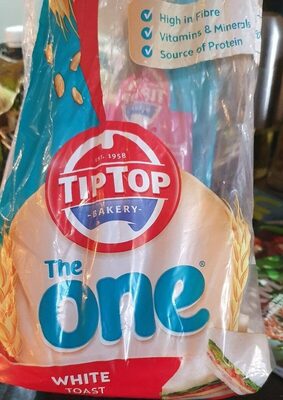
Checking a product without certification? How to review food without a halal label.
Barcode
9339423004816
Category
-
Manufactured In
-
Ingredients
unbleached wheat flour
water
bakers yeast
modified tapioca starch (1412)
wheat fibre
wheat gluten
vinegar
iodised salt
vegetable gum (412)
canola oil
soy flour
vegetable emulsifiers (472e, 481, 471)
minerals (iron, zinc)
vitamins (vitamin e, niacin, vitamin b6, thiamin, folic acid).
Status: HALAL
Reason: Wheat flour is derived from wheat, which is a permissible grain in Islam.
Status: HALAL
Reason: Water is a natural substance and is considered pure and permissible in Islam.
Status: HALAL
Reason: Yeast is a microorganism used in baking and brewing, which is permissible in Islam.
Status: HALAL
Reason: Tapioca starch is derived from the cassava root and contains no haram ingredients.
Status: HALAL
Reason: Wheat is a plant-based ingredient and considered Halal as it does not contain any Haram substances or come from Haram sources.
Status: HALAL
Reason: Gluten is a protein found in wheat and other grains, and is permissible in a halal diet.
Status: HALAL
Reason: Vinegar is made through fermentation and does not contain any haram ingredients.
Status: HALAL
Reason: Salt is a mineral and does not contain any prohibited ingredients.
Status: MASHBOOH
Reason: Input is not a valid ingredient name.
Status: HALAL
Reason: Canola oil is derived from the seeds of the canola plant and does not contain any haram components.
Status: HALAL
Reason: Soy is a plant-based ingredient and does not contain any haram components. It is generally considered halal unless processed with haram substances.
Status: MASHBOOH
Reason: Emulsifiers can be derived from both halal and haram sources, and without specific information on the source, it cannot be definitively categorized.
Status: HALAL
Reason: Iron is a mineral and does not contain any animal components or alcohol, making it permissible to consume.
Status: HALAL
Reason: Vitamin B6 is a synthetic vitamin and does not contain any haram ingredients.
Nutrition Facts
Energy per serving
741 kJ
Fat per serving
6 g
Saturated fat per serving
0.3 g
Carbohydrates per serving
31 g
Sugars per serving
2.3 g
Fibre per serving
5.9 g
Protein per serving
6.3 g
Salt per serving
0.78 g
Sodium per serving
0.312 g