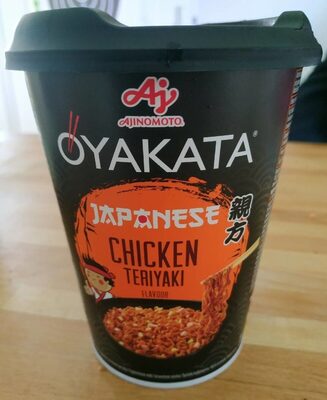
Checking a product without certification? How to review food without a halal label.
Barcode
0015100001673
Category
Plant-based foods and beverages, Plant-based foods, Cereals and potatoes, Cereals and their products, Pastas
Manufactured In
-
Ingredients
semolina (wheat)
durum flour (wheat)
niacin
ferrous sulfate (iron)
thiamin mononitrate
riboflavin
folic acid.
Status: HALAL
Reason: Wheat is a staple grain that is permissible in Islam as it does not contain any Haram components.
Uses: Used in various food products such as bread, pasta, and cereals.
Status: HALAL
Reason: Wheat is a staple grain that is permissible in Islam as it does not contain any Haram components.
Uses: Used in various food products such as bread, pasta, and cereals.
Status: HALAL
Reason: Niacin is a vitamin (B3) that is naturally found in meats, fish, and grains. It is considered halal as it is derived from non-haram sources.
Uses: Niacin is commonly used as a dietary supplement and food additive to improve nutritional value and support metabolic functions.
Status: HALAL
Reason: Iron is a mineral and is halal for consumption.
Uses: Iron is commonly used as a dietary supplement and in the fortification of food products.
Status: MASHBOOH
Reason: The input is not a valid ingredient.
Uses: Unknown
Status: MASHBOOH
Reason: The input does not represent a valid ingredient.
Uses: Unknown
Status: HALAL
Reason: Folic acid is a synthetic form of vitamin B9, commonly used in dietary supplements and fortified foods, and does not have any non-halal sources.
Uses: Used to prevent folate deficiency, in prenatal vitamins, and to support overall health.
Nutrition Facts
Energy per 100 g / 100 ml
357 kcal
Energy per 100 g / 100 ml
1494 kJ
Fat per 100 g / 100 ml
1.79 g
Saturated fat per 100 g / 100 ml
0 g
Carbohydrates per 100 g / 100 ml
75 g
Sugars per 100 g / 100 ml
1.79 g
Fibre per 100 g / 100 ml
3.6 g
Protein per 100 g / 100 ml
12.5 g
Salt per 100 g / 100 ml
0 g
Sodium per 100 g / 100 ml
0 g