Checking a product without certification? How to review food without a halal label.
Barcode
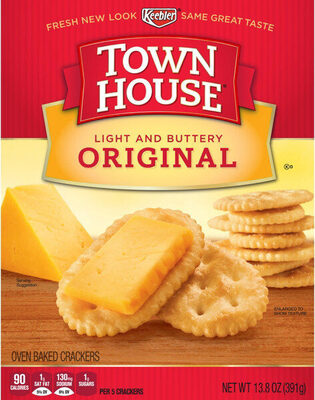
030100100553
Category
snacks, salty-snacks, sweet-snacks, appetizers, biscuits-and-cakes, biscuits, da:crackers
Manufactured In
Unknown
Ingredients
enriched flour wheat flour
niacin
reduced iron
vitamin b1 thiamin mononitrate
vitamin b2 riboflavin
folic acid
soybean oil with tbhq for freshness
sugar
contains 2 or less of salt
corn syrup
leavening baking soda sodium acid pyrophosphate monocalcium phosphate
soy lecithin
Status: HALAL
Reason: Commonly used as a staple ingredient in halal food.
Uses: Baking, thickening agent, coating
Status: HALAL
Reason: Niacin is a vitamin (B3) that is naturally found in meats, fish, and grains. It is considered halal as it is derived from non-haram sources.
Uses: Niacin is commonly used as a dietary supplement and food additive to improve nutritional value and support metabolic functions.
Status: HALAL
Reason: Iron is a mineral and is halal for consumption.
Uses: Iron is commonly used as a dietary supplement and in the fortification of food products.
Status: HALAL
Reason: Vitamin B1, also known as thiamine, is typically derived from sources that are halal, such as grains and legumes.
Uses: Vitamin B1 is used as a dietary supplement and is crucial for energy metabolism in the body.
Status: HALAL
Reason: Vitamin B2 (Riboflavin) is synthetic and does not derive from animal sources.
Uses: Used as a dietary supplement and food additive.
Status: HALAL
Reason: Folic acid is a synthetic form of vitamin B9, commonly used in dietary supplements and fortified foods, and does not have any non-halal sources.
Uses: Used to prevent folate deficiency, in prenatal vitamins, and to support overall health.
Status: HALAL
Reason: Soybeans are plant-derived and do not contain any haram components.
Uses: Used in various food products, including tofu, soy milk, and cooking oil.
Status: HALAL
Uses: Sweetener, food preservative
Status: HALAL
Reason: Commonly used seasoning in food.
Uses: Flavoring, preservative
Status: HALAL
Reason: Corn is a plant-based food that is widely accepted as halal.
Uses: Corn is commonly used in food products, snacks, and as a vegetable or grain in various cuisines.
Status: UNKNOWN
Reason: General term, could refer to various compounds.
Status: MASHBOOH
Reason: The input is not a valid ingredient.
Uses: N/A
Nutrition Facts
Energy per 100 g / 100 ml
500 kcal
Energy per 100 g / 100 ml
2092 kJ
Fat per 100 g / 100 ml
31.25 g
Saturated fat per 100 g / 100 ml
6.25 g
Carbohydrates per 100 g / 100 ml
56.25 g
Sugars per 100 g / 100 ml
6.25 g
Fibre per 100 g / 100 ml
0 g
Protein per 100 g / 100 ml
6.25 g
Salt per 100 g / 100 ml
2.34375 g
Sodium per 100 g / 100 ml
0.9375 g