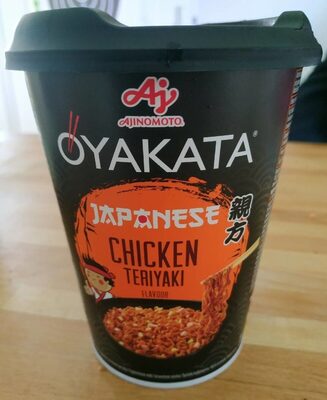
Checking a product without certification? How to review food without a halal label.
Barcode
031146250301
Category
Plant-based foods and beverages,Plant-based foods,Cereals and potatoes,Cereals and their products,Meals,Dried products,Pastas,Dried products to be rehydrated,Noodles,Soups,Instant noodles
Manufactured In
United States
Ingredients
enriched wheat flour (wheat flour, niacin, reduced iron, thiamine mononitrate, riboflavin, folic acid)
palm oil
potato starch
modified potato starch
salt
dried kimchi flakes (napa cabbage, red chili pepper*, garlic, dextrin, salt, ginger, shrimp, glucono delta-lactone)
contains less than 2% of: anchovy extract*
beef bone extract*
beef extract*
beef fat*
black pepper*
cellulose*
citric acid
corn syrup
defatted soy flour
dextrose
disodium guanylate
disodium inosinate
disodium succinate
dried vegetables (carrot, green onion)
fermented wheat protein
garlic*
gum arabic
hydrolyzed corn protein
hydrolyzed soy protein
leek extract*
malic acid
maltodextrin
modified tapioca starch
napa cabbage*
natural flavors
non dairy lactic acid
onion*
potassium carbonate
red chili pepper*
riboflavin color
rice flour
sand lance extract*
shrimp*
sodium carbonate
sodium phosphates
sugar
tocopherols (antioxidant)
yeast extract
yellow corn flour.
Status: UNKNOWN
Status: HALAL
Reason: Derived from a plant source, not animal.
Uses: cooking oil, ingredient in processed foods
Status: HALAL
Reason: Potato starch is derived from potatoes, which are permissible in Islam.
Uses: Used as a thickening agent in cooking, baking, and food processing.
Status: HALAL
Reason: Derived from potatoes, commonly used in food.
Uses: thickener, stabilizer
Status: HALAL
Reason: Mineral compound, no animal origin.
Uses: seasoning, preservation
Status: UNKNOWN
Status: UNKNOWN
Status: UNKNOWN
Status: UNKNOWN
Status: UNKNOWN
Status: HALAL
Reason: Black pepper is a spice derived from the dried berries of the pepper plant and has no haram components.
Uses: Commonly used as a seasoning to enhance flavor in various dishes.
Status: UNKNOWN
Status: HALAL
Reason: Natural acid from citrus fruits.
Uses: preservative, flavoring
Status: HALAL
Reason: Derived from corn, which is considered halal.
Uses: Sweetener, thickener
Status: HALAL
Reason: Defatted soy flour is derived from soybeans, which are permissible in Islam, provided that no haram substances have been added during processing.
Uses: Used as a protein source in various food products, including baked goods, meat alternatives, and nutritional supplements.
Status: HALAL
Reason: Sugar derived from corn or starch, Halal.
Uses: sweetener in foods
Status: HALAL
Reason: Flavor enhancer, typically plant-based.
Uses: flavoring in instant noodles, soups
Status: HALAL
Reason: Flavor enhancer that is typically derived from meat or fish but can also be manufactured synthetically.
Uses: Flavour enhancer, used in various savory snacks and sauces.
Status: HALAL
Reason: Flavor enhancer derived from permitted sources.
Uses: flavor enhancer, food additive
Status: UNKNOWN
Status: UNKNOWN
Status: HALAL
Reason: Garlic is a plant-based ingredient that is permissible in Islam.
Uses: Garlic is commonly used in cooking for flavoring and has various health benefits.
Status: HALAL
Reason: Gum arabic is derived from the sap of the acacia tree and is considered permissible in Islam.
Uses: Gum arabic is commonly used as a thickening agent, stabilizer, and emulsifier in food and beverages.
Status: HALAL
Reason: Derived from corn, used in flavorings.
Uses: flavoring agent
Status: HALAL
Reason: It is derived from soy, which is a plant-based ingredient and is generally considered halal.
Uses: Used as a protein source in vegetarian and vegan products, flavor enhancer, and texturizer in various food products.
Status: UNKNOWN
Status: HALAL
Reason: Organic acid, found in fruits, no animal origin.
Uses: flavoring, acidity regulator
Status: HALAL
Reason: Carbohydrate derived from starch, no animal origin.
Uses: thickener, filler in foods
Status: HALAL
Reason: Vegetable-derived, used safely in food.
Uses: thickener, stabilizer
Status: UNKNOWN
Status: MASHBOOH
Reason: Natural flavors can be derived from both halal and haram sources, and their exact composition is often not disclosed.
Uses: Commonly used in food and beverage products to enhance flavor.
Status: UNKNOWN
Status: UNKNOWN
Status: UNKNOWN
Reason: Not commonly classified in food additive lists or E-codes.
Status: UNKNOWN
Status: UNKNOWN
Status: HALAL
Reason: Ground rice, plant-derived.
Status: UNKNOWN
Status: UNKNOWN
Status: HALAL
Reason: Sodium carbonate is a mineral compound used as a food additive and is not derived from animal sources or prohibited materials.
Uses: Used primarily in food processing as a leavening agent and in the production of glass and other chemicals.
Status: HALAL
Reason: Salts of phosphoric acid, halal.
Uses: Emulsifier, thickener, buffering agent
Status: HALAL
Reason: Plant-derived sweetener.
Uses: sweetening food and beverages
Status: UNKNOWN
Status: HALAL
Reason: Yeast extract is derived from yeast, which is a microorganism, and does not involve any haram substances in its production.
Uses: Commonly used as a flavor enhancer in various food products, including soups, sauces, and snacks.
Status: UNKNOWN
Nutrition Facts
Energy per 100 g / 100 ml
430 kcal
Energy per 100 g / 100 ml
1800 kJ
Fat per 100 g / 100 ml
15.1 g
Saturated fat per 100 g / 100 ml
8.14 g
Carbohydrates per 100 g / 100 ml
65.1 g
Sugars per 100 g / 100 ml
3.49 g
Added sugars per 100 g / 100 ml
0 g
Fibre per 100 g / 100 ml
3.49 g
Protein per 100 g / 100 ml
8.14 g
Salt per 100 g / 100 ml
1.53 g
Sodium per 100 g / 100 ml
0.614 g