Checking a product without certification? How to review food without a halal label.
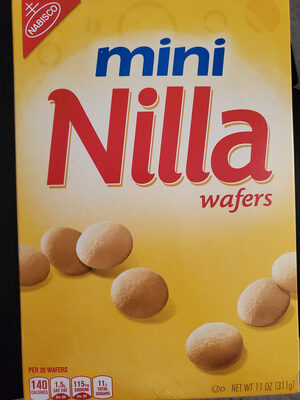
Barcode
044000027353
Category
Snacks, Sweet snacks, Biscuits and cakes, Biscuits
Manufactured In
Unknown
Ingredients
unbleached enriched flour wheat flour niacin reduced iron thiamine mononitrate vitamin b1 riboflavin vitamin b2 folic acid
sugar
vegetable oil soybean and or canola and or palm and or partially hydrogenated cottonseed oil
high fructose corn syrup
whey from milk
eggs
salt
leavening baking soda calcium phosphate
emulsifiers mono and diglycerides soy lecithin
artificial flavor
natural flavor
Status: HALAL
Reason: Iron is a mineral and is halal for consumption.
Uses: Iron is commonly used as a dietary supplement and in the fortification of food products.
Status: HALAL
Reason: Commonly used sweetener, derived from sugar cane or sugar beet.
Uses: Sweetener, preservative
Status: HALAL
Reason: Typically derived from plants and does not contain any animal products.
Uses: Used in cooking, frying, baking, and food preparation.
Status: HALAL
Reason: Corn is a plant-based food that is widely accepted as halal.
Uses: Corn is commonly used in food products, snacks, and as a vegetable or grain in various cuisines.
Status: MASHBOOH
Reason: Whey is derived from milk, but its halal status can depend on the source of the rennet used in cheese production and other additives that may not be halal.
Uses: Whey is commonly used as a protein supplement, in food products like cheese, yogurts, and protein powders.
Status: HALAL
Reason: Commonly used food product derived from poultry.
Uses: ingredient, emulsifier, protein source
Status: HALAL
Reason: Commonly used in food for seasoning and preservation.
Uses: Seasoning, preservative
Status: HALAL
Reason: Calcium is a mineral that can be derived from various sources, including non-animal sources.
Uses: Commonly used as a dietary supplement and in food fortification.
Status: MASHBOOH
Reason: Emulsifiers can be derived from both halal and haram sources, thus their status can vary; specificity about the source is needed.
Uses: Emulsifiers are commonly used in food products to help blend ingredients that typically do not mix well, such as oil and water.
Status: MASHBOOH
Reason: The input does not represent a valid ingredient.
Uses: Unknown
Status: MASHBOOH
Reason: The input does not represent a valid ingredient.
Uses: Unknown
Nutrition Facts
Energy per 100 g / 100 ml
467 kcal
Energy per 100 g / 100 ml
1950 kJ
Fat per 100 g / 100 ml
20 g
Saturated fat per 100 g / 100 ml
5 g
Carbohydrates per 100 g / 100 ml
70 g
Sugars per 100 g / 100 ml
36.7 g
Added sugars per 100 g / 100 ml
33.3 g
Fibre per 100 g / 100 ml
0 g
Protein per 100 g / 100 ml
3.33 g
Salt per 100 g / 100 ml
0.958 g
Sodium per 100 g / 100 ml
0.383 g