MASHBOOH
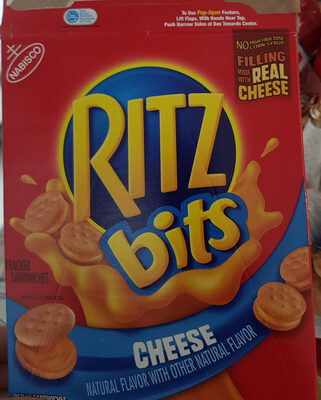
Nabisco ritz crackers bits
Nabisco
Barcode
044000035457
Category
snacks, salty-snacks, sweet-snacks, appetizers, biscuits-and-cakes, biscuits, da:crackers
Manufactured In
-
Ingredients
unbleached enriched flour (wheat flour
niacin
reduced iron
thiamine mononitrate (vitamin b1)
riboflavin (vitamin b2), folic acid)
canola oil
palm oil
sugar
whey
leavening (calcium phosphate, baking soda)
cheddar cheese powder (pasteurized milk, cheese cultures, salt, enzymes)
salt
sodium phosphate
natural flavor
soy lecithin
yeast extract
cornstarch
turmeric
annatto extracts.
Status: HALAL
Reason: Commonly used grain product, derived from wheat.
Uses: baking, cooking
Status: HALAL
Reason: Niacin is a vitamin (B3) that is naturally found in meats, fish, and grains. It is considered halal as it is derived from non-haram sources.
Uses: Niacin is commonly used as a dietary supplement and food additive to improve nutritional value and support metabolic functions.
Status: HALAL
Reason: Iron is a mineral and is halal for consumption.
Uses: Iron is commonly used as a dietary supplement and in the fortification of food products.
Status: HALAL
Reason: Vitamin B1, also known as thiamine, is typically derived from sources that are halal, such as grains and legumes.
Uses: Vitamin B1 is used as a dietary supplement and is crucial for energy metabolism in the body.
Status: HALAL
Reason: Vitamin B2 (Riboflavin) is synthetic and does not derive from animal sources.
Uses: Used as a dietary supplement and food additive.
Status: HALAL
Reason: Derived from plants and widely accepted as halal.
Uses: cooking oil, salad dressing
Status: HALAL
Reason: Palm is a plant-derived ingredient and is generally considered halal.
Uses: Palm oil is widely used in cooking, baking, and food manufacturing.
Status: HALAL
Reason: Sugar is a natural carbohydrate derived from plants.
Uses: sweetener, baking, cooking
Status: MASHBOOH
Reason: Whey is derived from milk, but its halal status can depend on the source of the rennet used in cheese production and other additives that may not be halal.
Uses: Whey is commonly used as a protein supplement, in food products like cheese, yogurts, and protein powders.
Status: HALAL
Reason: Calcium is a mineral that can be derived from various sources, including non-animal sources.
Uses: Commonly used as a dietary supplement and in food fortification.
Status: HALAL
Reason: Mineral used in food, typically halal.
Uses: food seasoning, preservation
Status: HALAL
Reason: Mineral used in food, typically halal.
Uses: food seasoning, preservation
Status: MASHBOOH
Reason: Possible sources for phosphate may be haram, context-dependent
Uses: Emulsifier, thickener, stabilizer
Status: MASHBOOH
Reason: The input does not represent a valid ingredient.
Uses: Unknown
Status: MASHBOOH
Reason: The input is not a valid ingredient.
Uses: N/A
Status: HALAL
Reason: Yeast is a type of fungus used in baking and fermentation, and is generally considered halal.
Uses: Used in baking bread, brewing beer, and in fermentation processes.
Status: HALAL
Reason: Corn is a plant-based food that is widely accepted as halal.
Uses: Corn is commonly used in food products, snacks, and as a vegetable or grain in various cuisines.
Status: MASHBOOH
Reason: The input is not a valid ingredient.
Uses: Unknown
Status: MASHBOOH
Reason: The ingredient name is not valid or specific enough to determine its status.
Uses: Unknown
Nutrition Facts
calcium
0.06
calcium_100g
0.207
calcium_serving
0.06
calcium_unit
g
calcium_value
0.06
carbohydrates
17