MASHBOOH
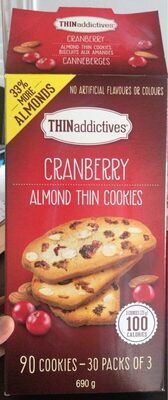
CRANBERRY almond thin cookies
THINaddictives
Barcode
0812240004430
Category
Snacks, Sweet snacks, Biscuits and cakes, Biscuits
Manufactured In
Canada
Ingredients
enriched unbleached wheat flour
liquid whole egg
sugar
california almonds
dried cranberries (cranberries, sugar, sunflower oil)
raisins
natural and artificial flavour
cinnamon
salt. contains wheat
eggs
and almonds. may contain: pistachio
soy
barley
and oat.
Status: HALAL
Reason: Wheat flour is derived from wheat, which is a plant-based ingredient and permissible in Islam.
Uses: Wheat flour is commonly used for baking bread, pastries, and other baked goods.
Status: MASHBOOH
Reason: The input is not a valid ingredient.
Uses: N/A
Status: HALAL
Reason: Sugar is derived from sugarcane or sugar beets and does not contain any haram ingredients.
Uses: Sugar is used as a sweetener in a variety of food and beverage products.
Status: HALAL
Reason: Almonds are natural nuts that are not derived from any haram sources and do not contain any haram additives.
Uses: Almonds can be consumed raw, roasted, or used in various dishes, desserts, and snacks.
Status: HALAL
Reason: Derived from sunflower seeds, which are plant-based and permissible in halal dietary laws.
Uses: Commonly used in cooking, frying, and as an ingredient in various food products.
Status: MASHBOOH
Reason: The input is not a valid ingredient name.
Uses: Unknown
Status: MASHBOOH
Reason: The source of artificial flavours can vary, and without specific information on the source, it's unclear if they are derived from halal or haram sources.
Uses: Commonly used in food and beverage products to enhance taste and aroma.
Status: HALAL
Reason: Cinnamon is a spice derived from the bark of trees belonging to the Cinnamomum family and is permissible in Islam.
Uses: Cinnamon is commonly used in cooking, baking, and as a flavoring agent in various dishes and beverages.
Status: HALAL
Reason: Salt is a mineral primarily composed of sodium chloride and does not contain any haram components.
Uses: Used as a seasoning and preservative in food.
Status: HALAL
Reason: Eggs are a natural product, generally permitted in Islamic dietary laws.
Uses: Used in a variety of cuisines and recipes, including baking, cooking, and as a source of protein.
Status: HALAL
Reason: Almonds are natural nuts that are not derived from any haram sources and do not contain any haram additives.
Uses: Almonds can be consumed raw, roasted, or used in various dishes, desserts, and snacks.
Status: HALAL
Reason: Soy is a plant-based ingredient and does not contain any haram components.
Uses: Commonly used in various food products, including tofu, soy sauce, and as a meat substitute.
Status: HALAL
Reason: Barley is a grain that is permissible in Islam and does not contain any haram substances.
Uses: Barley is commonly used in cooking, brewing, and making flour or porridge.
Status: MASHBOOH
Reason: The ingredient name is not valid or specific enough to determine its status.
Uses: Unknown
Nutrition Facts
fruits-vegetables-legumes-estimate-from-ingredients_100g
4.16666666666666
fruits-vegetables-legumes-estimate-from-ingredients_serving
4.16666666666666
fruits-vegetables-nuts-estimate-from-ingredients_100g
9.72222222222222
fruits-vegetables-nuts-estimate-from-ingredients_serving
9.72222222222222
nova-group
4
nova-group_100g
4