MASHBOOH
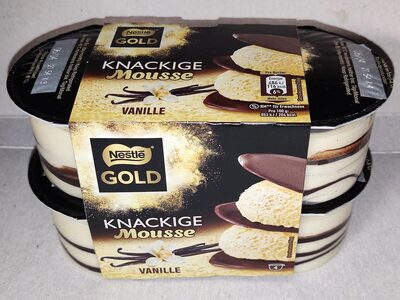
Knackige Mousse - Vanille
Nestlé
Barcode
3023290202128
Category
Milchprodukte, Desserts, Milchnachspeisen, Schokoladendesserts, Milchschokoladendesserts
Manufactured In
-
Ingredients
vanillemouse
_vollmilch_
zucker
_sahne_
_magermilchpulver_
_laktose_
natürliches vanillearoma
rindergelatine
emulgator
milchsäureester von mono- und diglyceriden von speisefettsäuren
verdickungsmittel
natriumalginat
carrageen
farbstoff
annatto
säureregulator
natriumhydroxid
zartbitterschokoladenschichten
kakaomasse
kakaobutter
aroma
süßungsmittel
sucralose
acesulfam k
Status: UNKNOWN
Status: UNKNOWN
Status: HALAL
Reason: Plant-derived sweetener.
Status: UNKNOWN
Status: UNKNOWN
Status: UNKNOWN
Status: UNKNOWN
Status: UNKNOWN
Status: MASHBOOH
Reason: Emulgators can be derived from both halal and haram sources. Without specific information on the source, it remains uncertain.
Uses: Emulgators are commonly used in food products to stabilize mixtures such as oil and water, and are found in items like dressings, sauces, and baked goods.
Status: UNKNOWN
Status: UNKNOWN
Status: UNKNOWN
Status: HALAL
Reason: Carrageen is a natural thickening agent derived from red seaweed and does not contain any haram substances.
Uses: Used as a thickener, stabilizer, and emulsifier in various food products.
Status: MASHBOOH
Reason: Generic term for colorants; requires specification.
Uses: coloring food products
Status: HALAL
Reason: Natural colorant derived from achiote seeds.
Uses: coloring in cheese, snacks
Status: UNKNOWN
Status: UNKNOWN
Status: UNKNOWN
Status: HALAL
Reason: Kakaomasse is derived from cocoa beans and does not contain any Haram ingredients.
Uses: Used in chocolate production and confections.
Status: HALAL
Reason: Kakaobutter, or cocoa butter, is derived from the fat of cocoa beans and does not contain any animal products or non-halal substances.
Uses: Used in food products, cosmetics, and skincare formulations.
Status: MASHBOOH
Reason: General term for flavor compounds, origin unclear.
Uses: flavoring in food
Status: UNKNOWN
Status: HALAL
Reason: Chlorinated sugar derivative, no animal origin.
Uses: artificial sweetener in food
Status: MASHBOOH
Reason: Acesulfam K is a synthetic sweetener, and its halal status can be uncertain due to potential manufacturing processes.
Uses: Used as a sugar substitute in various food and beverage products.
Nutrition Facts
carbohydrates
16.7
carbohydrates_100g
16.7
carbohydrates_serving
9.52
carbohydrates_unit
g
carbohydrates_value
16.7
energy
900