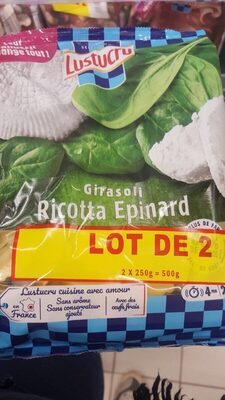
Checking a product without certification? How to review food without a halal label.
Barcode
3240931545929
Category
Plant-based foods and beverages, Plant-based foods, Pastas, Fresh pasta, en:stuffed-pastas
Manufactured In
-
Ingredients
farce
epinard cuits
épinards
beurre pasteurisé
échalote
ail
ricotta
lactoserum
lait
sel
correcteurs d'acidité
acide citrique
acide lactique
huile de colza
flocons de pomme de terre
pommes de terre
épice
curcuma
fromage à pâte dure
lait
sel
enzyme coagulante
eau
amidon transformé
lactose et protéines de lait
semoule de blé dur
sel
ciboulette
sucre
fibres de blé
psyllium
noix de muscade
pâte
semoule de blé dur
œufs frais
eau
Status: UNKNOWN
Status: UNKNOWN
Status: UNKNOWN
Status: HALAL
Reason: Dairy product from permissible sources.
Status: UNKNOWN
Status: MASHBOOH
Reason: The ingredient 'ail' is not a standard or commonly recognized ingredient. It may refer to garlic in some contexts, which is generally considered halal, but its ambiguous state makes it uncertain.
Uses: Garlic is commonly used as a flavoring agent in various cuisines.
Status: HALAL
Reason: Dairy product made from whey, typically Halal.
Status: UNKNOWN
Status: HALAL
Reason: Milk, a natural food ingredient.
Uses: liquid base, nutrition
Status: HALAL
Reason: Common food ingredient, universally accepted.
Uses: flavoring, preserving
Status: UNKNOWN
Status: HALAL
Reason: Common food acid, plant-derived.
Uses: preservative, flavoring
Status: HALAL
Reason: Organic acid, commonly found in fermented foods.
Uses: preservative, acidity regulator
Status: HALAL
Reason: Rapeseed oil is commonly used in cooking.
Uses: cooking oil, food ingredient
Status: UNKNOWN
Status: HALAL
Reason: Common vegetarian ingredient
Uses: Used in snacks, side dishes, mash
Status: MASHBOOH
Reason: The term 'épice' refers to spices in general, which can vary and may include both halal and haram ingredients depending on the specific spice and its processing.
Uses: Commonly used as flavoring in various cuisines.
Status: HALAL
Reason: Curcuma, also known as turmeric, is a plant-based ingredient commonly used in cooking and has no haram components.
Uses: Curcuma is used as a spice in various cuisines, as well as in traditional medicine and food coloring.
Status: UNKNOWN
Status: HALAL
Reason: Milk, a natural food ingredient.
Uses: liquid base, nutrition
Status: HALAL
Reason: Common food ingredient, universally accepted.
Uses: flavoring, preserving
Status: MASHBOOH
Reason: Depending on source, may be animal or microbial.
Uses: cheese production
Status: HALAL
Reason: Water is always Halal.
Uses: solvent, ingredient
Status: UNKNOWN
Status: UNKNOWN
Status: HALAL
Reason: Semoule de blé dur is derived from wheat and does not contain any non-halal ingredients.
Uses: Used in various dishes, including pasta and couscous, as a primary ingredient in baking and cooking.
Status: HALAL
Reason: Common food ingredient, universally accepted.
Uses: flavoring, preserving
Status: HALAL
Reason: Common culinary herb, no non-halal concerns.
Status: HALAL
Reason: Common sugar, halal.
Uses: sweetener, flavor enhancer
Status: HALAL
Reason: Fibres de blé (wheat fibers) are derived from wheat and do not contain any haram components.
Uses: Used in food products for dietary fiber, as a bulking agent, and in various health foods.
Status: HALAL
Reason: Plant-derived soluble fiber.
Uses: fiber supplement, baking
Status: HALAL
Reason: Spice derived from nutmeg; halal by nature.
Status: UNKNOWN
Status: HALAL
Reason: Semoule de blé dur is derived from wheat and does not contain any non-halal ingredients.
Uses: Used in various dishes, including pasta and couscous, as a primary ingredient in baking and cooking.
Status: HALAL
Reason: Eggs are considered halal as they are a natural product and do not contain any haram components.
Uses: Commonly used in various dishes such as omelets, desserts, and as a binding agent in cooking and baking.
Status: HALAL
Reason: Water is always Halal.
Uses: solvent, ingredient
Nutrition Facts
Energy per 100 g / 100 ml
252 kcal
Energy per 100 g / 100 ml
~ 1039.4 kJ
Fat per 100 g / 100 ml
11 g
Saturated fat per 100 g / 100 ml
4.5 g
Carbohydrates per 100 g / 100 ml
29 g
Sugars per 100 g / 100 ml
4 g
Added sugars per 100 g / 100 ml
~ 0 g
Protein per 100 g / 100 ml
8.2 g
Salt per 100 g / 100 ml
1.1 g
Sodium per 100 g / 100 ml
0.44 g