HARAM
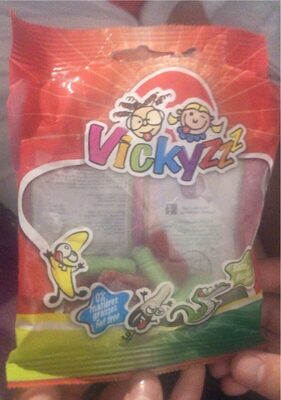
Bonbons tranches de pastèque
VICKYZZZ
Barcode
3254950004763
Category
Snacks, Snacks sucrés, Confiseries, Bonbons
Manufactured In
-
Ingredients
sirop de glucose
eau
sucre
amidon de maïs
gélatine de bœuf
acidifiants
acide citrique
acide malique
arômes
régulateur d'acidité
citrate de sodium
colorants
e102
e129
Status: HALAL
Reason: Derived from corn or wheat, commonly halal.
Uses: sweetener, thickener
Status: HALAL
Reason: Water is halal.
Status: HALAL
Reason: General sugar is halal.
Uses: sweetener
Status: HALAL
Reason: Amidon de maïs is derived from corn, which is a plant-based source and does not contain any ingredients that are considered haram.
Uses: Used as a thickening agent in cooking and baking, and in various processed foods.
Status: UNKNOWN
Status: MASHBOOH
Reason: Acidifiers, possible animal sources.
Uses: acidifier
Status: HALAL
Reason: Common food acid, plant-derived.
Uses: preservative, flavoring
Status: HALAL
Reason: Natural acid, used as a preservative.
Uses: acidulant, flavoring
Status: MASHBOOH
Reason: The term 'arômes' refers to flavorings which can be derived from both halal and haram sources, making its status uncertain without specific details.
Uses: Used in food and beverage products for flavor enhancement.
Status: HALAL
Reason: Typically food-safe acidity regulators.
Status: HALAL
Reason: Citrate de sodium (sodium citrate) is a sodium salt of citric acid, commonly used as a food additive and is derived from citrus fruits.
Uses: Used as a preservative, acidity regulator, and flavoring agent in various food products.
Status: MASHBOOH
Reason: Generic term; specific source uncertain.
Uses: coloring in food products
Status: MASHBOOH
Reason: E102, also known as Tartrazine, is a synthetic yellow dye. Its halal status can be questionable due to possible cross-contamination or the use of non-halal ingredients in its production.
Uses: Commonly used as a food coloring agent in various processed foods, sweets, beverages, and cosmetics.
Status: HARAM
Reason: Allura Red, derived from animal sources.
Uses: coloring in confectionery
Nutrition Facts
carbohydrates
79
carbohydrates_100g
79
carbohydrates_unit
g
carbohydrates_value
79
energy
1397
energy-kcal
334