MASHBOOH
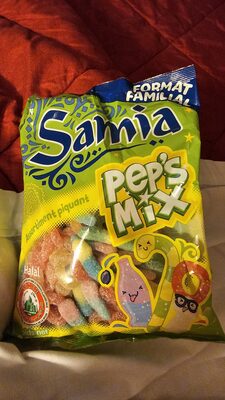
bonbons pep's mix
samia
Barcode
3276650116331
Category
Snacks, Snacks sucrés, Confiseries, Bonbons
Manufactured In
-
Ingredients
glucose syrup
sugar
gelling agent: halal beef gelatin
humectant: glycerol
acidifier: malic acid
citric acid
gelling agent: pectin
vegetable concentrate: lemon
safflower
aromas
vegetable concentrate: carrot
blackcurrant with dye: e100
e120
e133
e171
Status: HALAL
Reason: Commonly used sweetener, halal.
Uses: sweetener
Status: HALAL
Reason: Common sweetener derived from plants.
Uses: sweetening agent, food preservation
Status: UNKNOWN
Status: HALAL
Reason: Glycerol is usually derived from plant sources or synthetic processes, and is considered halal if not sourced from haram sources.
Uses: Glycerol is commonly used as a humectant in foods, cosmetics, and pharmaceuticals to retain moisture.
Status: HALAL
Reason: Malic acid is a natural organic compound found in various fruits and is generally considered permissible in food production.
Uses: Commonly used as a food additive to enhance flavor and acidity.
Status: HALAL
Reason: Common food additive, typically halal.
Uses: preservative, flavoring
Status: HALAL
Reason: Plant-derived thickener, halal status confirmed.
Status: UNKNOWN
Status: HALAL
Reason: Plant-based ingredient, safe for consumption.
Uses: coloring, flavoring in foods
Status: HALAL
Reason: Flavor compounds, usually synthetic or natural.
Uses: flavoring in various food products
Status: UNKNOWN
Status: UNKNOWN
Status: HALAL
Reason: Natural colorant derived from cochineal insects.
Uses: coloring in food, beverages
Status: HALAL
Reason: Synthetic colorant (E133), no animal origin.
Uses: coloring in sweets, ice cream
Status: MASHBOOH
Reason: E171 is a food additive (Titanium Dioxide) whose halal status may vary based on the source of the raw materials used in its production. It is not clearly identified as halal or haram.
Nutrition Facts
carbohydrates
78
carbohydrates_100g
78
carbohydrates_unit
g
carbohydrates_value
78
energy
1434
energy-kcal
337