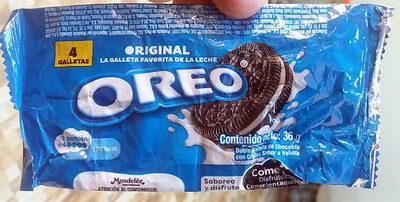
Checking a product without certification? How to review food without a halal label.
Barcode
4000512015031
Category
Botanas,Snacks dulces,Dulces,Golosinas
Manufactured In
-
Ingredients
sucre
sirop de glucose-fructose
eau
huiles végétales
tournesol
palme
graines de coton
carthame
son de riz
gélatine
poudre de cacao maigre
poudre de _lait_ entier
_lactose_
_lait_ écrémé en poudre
arômes
colorant
carthame
émulsifiant
lécithine de _soja_
amidon de maïs
Status: HALAL
Reason: Common sweetener; halal.
Uses: sweetening
Status: HALAL
Reason: Derived from corn or wheat, acceptable for consumption.
Uses: sweetener in beverages, candies
Status: HALAL
Reason: Water, universally halal.
Status: HALAL
Reason: Plant-derived oils, no animal origin.
Uses: cooking, salad dressings, baking
Status: MASHBOOH
Reason: Tournesol typically refers to sunflower, which is generally halal, but the context (e.g., processing, additives) is unknown.
Uses: Used in cooking oils, seeds, and snacks.
Status: HALAL
Reason: Derived from palm oil, plant-based source.
Uses: cooking, food processing
Status: UNKNOWN
Status: HALAL
Reason: Safflower, plant-derived oil.
Uses: cooking oil, salad dressings
Status: UNKNOWN
Status: MASHBOOH
Reason: Gélatine source unclear; could be pork or halal.
Status: UNKNOWN
Status: UNKNOWN
Status: HALAL
Reason: Natural sugar found in milk, generally considered halal.
Status: UNKNOWN
Status: MASHBOOH
Reason: The term 'arômes' refers to flavorings which can be derived from both halal and haram sources, making its status uncertain without specific details.
Uses: Used in food and beverage products for flavor enhancement.
Status: MASHBOOH
Reason: Depends on source, needs specification.
Status: HALAL
Reason: Safflower, plant-derived oil.
Uses: cooking oil, salad dressings
Status: HALAL
Reason: Common emulsifiers can be halal, depending on source.
Status: UNKNOWN
Status: HALAL
Reason: Amidon de maïs is derived from corn, which is a plant-based source and does not contain any ingredients that are considered haram.
Uses: Used as a thickening agent in cooking and baking, and in various processed foods.
Nutrition Facts
Energy per 100 g / 100 ml
379 kcal
Energy per 100 g / 100 ml
1606 kJ
Fat per 100 g / 100 ml
4.5 g
Saturated fat per 100 g / 100 ml
1.2 g
Carbohydrates per 100 g / 100 ml
82 g
Sugars per 100 g / 100 ml
67 g
Protein per 100 g / 100 ml
2.3 g
Salt per 100 g / 100 ml
0.1 g
Sodium per 100 g / 100 ml
0.04 g