MASHBOOH
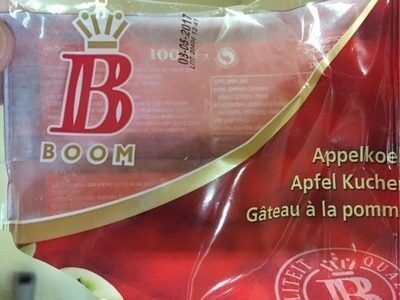
Gâteau à la pomme | Apfelkuchen
Boom
Barcode
4044146005273
Category
Snacks, Snacks sucrés, Biscuits et gâteaux, Gâteaux
Manufactured In
Unknown
Ingredients
farine de blé
sucre
sirop de glucose et fructose
huiles végétales
palm
colza
eau
pomme
graisses de palme
fèves de soja
haricots blancs
stabilisant
e422
dextrose
amidon modifié de pomme de terre
jaune d'oeuf de grange
poudres à lever
e450
e500
e503
épaississants
e440
e466
acidifiants
e330
e332
e333
émulsifiants
lécithine de soja
e471
arôme
sel
conservateur
e202
noyaux d'abricot
colorant
e160a
amidon de blé
cannelle
vitamines
vitamine a
vitamine d3
fibres d'agrumes
Status: HALAL
Reason: Farine de blé (wheat flour) is derived from wheat, which is considered halal.
Uses: Commonly used in baking, cooking, and food production.
Status: HALAL
Reason: Common sweetener; halal.
Uses: sweetening
Status: HALAL
Reason: Glucose and fructose syrup is halal.
Status: HALAL
Reason: Plant-derived oils, no animal origin.
Uses: cooking, salad dressings, baking
Status: HALAL
Reason: Palm oil is derived from the palm fruit and is halal.
Uses: oil
Status: HALAL
Reason: Common vegetable oil
Uses: Used in cooking, frying, salad dressings
Status: UNKNOWN
Reason: Not identifiable as food-related.
Status: HALAL
Reason: Natural flavor from apples.
Uses: flavoring in desserts, beverages
Status: UNKNOWN
Status: UNKNOWN
Status: HALAL
Reason: Legumes, plant-based and permissible.
Status: MASHBOOH
Reason: General term; needs specification for halal status.
Status: HALAL
Reason: Glycerol, a humectant derived from vegetable oils or animal fats.
Uses: humectant in sweets, baked goods
Status: HALAL
Reason: Dextrose is a common food additive, halal.
Uses: sweetener
Status: UNKNOWN
Status: UNKNOWN
Status: MASHBOOH
Reason: Contains diphosphates and carbonates which may have uncertain halal sources.
Uses: Leavening agent
Status: HALAL
Reason: Sodium and potassium phosphates, used as a leavening agent.
Uses: leavening agent in baking
Status: HALAL
Reason: Sodium carbonates and bicarbonates, used as leavening agents.
Uses: leavening in baked goods
Status: MASHBOOH
Reason: E503 is a food additive (silicates) that may be derived from animal sources, but it is typically synthetic. Its halal status can vary depending on the source.
Status: UNKNOWN
Status: MASHBOOH
Reason: E440 refers to pectin, which is derived from fruit and is generally considered halal, but the processing methods can vary.
Status: HALAL
Reason: Sodium carboxymethyl cellulose, derived from plant cellulose.
Uses: thickener in sauces, dressings
Status: MASHBOOH
Reason: Acidifiers, possible animal sources.
Uses: acidifier
Status: HALAL
Reason: Citric acid, plant-derived and widely used.
Uses: acidulant in drinks, foods
Status: MASHBOOH
Reason: E332 refers to sodium aluminum phosphate, which may or may not be halal depending on the source of the sodium and aluminum and the manufacturing process. It is often categorized as mashbooh due to uncertainty.
Status: MASHBOOH
Reason: E333, also known as Sodium Acetate, is a food additive that may not have clear halal or haram status as it can be derived from animal sources or plant sources, making it uncertain without further specification on its origin.
Status: UNKNOWN
Status: HALAL
Reason: Soy lecithin is commonly used and is halal.
Status: HALAL
Reason: Emulsifier derived from plant and animal fats.
Uses: emulsifier in food products
Status: MASHBOOH
Reason: Generic term; origin uncertain.
Uses: flavoring agent
Status: HALAL
Reason: Common food ingredient, universally accepted.
Uses: flavoring, preserving
Status: MASHBOOH
Reason: Preservatives vary widely in halal status.
Status: HALAL
Reason: Sodium or potassium salt of sorbic acid, a safe food preservative.
Uses: preservative in various food products
Status: UNKNOWN
Status: MASHBOOH
Reason: Depends on source, needs specification.
Status: HALAL
Reason: Natural beta-carotene from plant sources.
Uses: coloring in foods, cosmetics
Status: HALAL
Reason: Wheat starch is a common, halal food ingredient.
Status: HALAL
Reason: Spice; typically halal.
Status: HALAL
Reason: Vitamins are generally Halal.
Status: HALAL
Reason: Essential vitamin commonly derived from plants or synthetics.
Uses: nutritional supplement, fortification
Status: HALAL
Reason: Derived from lanolin (sheep wool), generally accepted as Halal.
Uses: nutritional supplement, fortification
Status: HALAL
Reason: Fibres extracted from citrus fruits are plant-based and typically do not contain haram components.
Uses: Commonly used as a dietary fiber supplement and in food products for texture and health benefits.
Nutrition Facts
carbohydrates
62.1
carbohydrates_100g
62.1
carbohydrates_unit
g
carbohydrates_value
62.1
carbon-footprint-from-known-ingredients_100g
6.24
carbon-footprint-from-known-ingredients_product
6.24