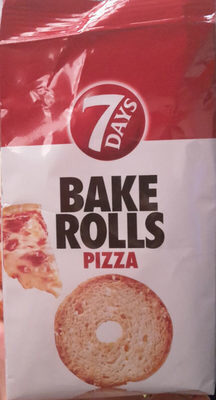
Checking a product without certification? How to review food without a halal label.
Barcode
5201360671069
Category
snacks, salty-snacks, da:crackers
Manufactured In
-
Ingredients
wheat flour
palm oil
pizza flavour 4% [dried tomato
natural flavouring
dextrose
dried onion
lactose (milk)
dried herbs
oregano
cheese powder (milk)
acidity regulator (citric acid)
cayenne pepper
rapeseed oil
colouring (paprika extract)
smoke flavouring]
salt
sugar
yeast
bean flour
emulsifier (sodium stearoyl-2 - lactylate)
flour treatment agent (ascorbic acid, l cysteine)
wheat starch
produced in a facility that uses as raw materials: eggs
peanuts
hazelnuts
almonds
pistachios
pecan nuts
sesame
celery
Status: HALAL
Reason: Wheat flour is derived from wheat, which is a plant-based ingredient and permissible in Islam.
Uses: Wheat flour is commonly used for baking bread, pastries, and other baked goods.
Status: HALAL
Reason: Palm is a plant-derived ingredient and is generally considered halal.
Uses: Palm oil is widely used in cooking, baking, and food manufacturing.
Status: HALAL
Reason: Tomatoes are a plant-based food and do not contain any haram components.
Uses: Tomatoes are widely used in salads, sauces, soups, and various cuisines.
Status: MASHBOOH
Reason: The term 'flavouring' is vague and can refer to substances that may be halal, haram, or derived from questionable sources.
Uses: Used to enhance the taste of food and beverages.
Status: MASHBOOH
Reason: The ingredient name is not valid or specific enough to determine its status.
Uses: Unknown
Status: HALAL
Reason: Onion is a vegetable and considered halal as it does not contain any haram substances.
Uses: Onion is commonly used in cooking for flavoring and seasoning in a variety of dishes.
Status: HALAL
Reason: Milk is a natural product derived from animals that are permissible in Islam, provided they are halal.
Uses: Milk is used for drinking, in cooking, and as an ingredient in various food products such as cheese and yogurt.
Status: MASHBOOH
Reason: The term 'herbs' is broad and can include various types of plants, some of which may be halal while others could be unsafe or contain haram components.
Uses: Commonly used in cooking, herbal medicine, and flavoring.
Status: MASHBOOH
Reason: The input is not a valid ingredient name.
Uses: Unknown
Status: HALAL
Reason: Milk is a natural product derived from animals that are permissible in Islam, provided they are halal.
Uses: Milk is used for drinking, in cooking, and as an ingredient in various food products such as cheese and yogurt.
Status: HALAL
Reason: Citric acid is a natural organic acid found in citrus fruits and is commonly used as a flavoring and preserving agent.
Uses: Widely used in food products, beverages, and cosmetics as a flavor enhancer and preservative.
Status: HALAL
Reason: Pepper is a spice derived from the berries of the Piper nigrum plant and does not contain any haram components.
Uses: Used to add flavor to a variety of dishes in cooking.
Status: MASHBOOH
Reason: The input is not a valid ingredient.
Uses: Unknown
Status: HALAL
Reason: Paprika extract is derived from the dried fruits of the Capsicum annuum plant and does not contain any haram ingredients.
Uses: Used as a spice for flavoring, coloring, and garnishing in various culinary dishes.
Status: MASHBOOH
Reason: The term 'flavouring' is vague and can refer to substances that may be halal, haram, or derived from questionable sources.
Uses: Used to enhance the taste of food and beverages.
Status: HALAL
Reason: Salt is a mineral primarily composed of sodium chloride and does not contain any haram components.
Uses: Used as a seasoning and preservative in food.
Status: HALAL
Reason: Sugar is derived from sugarcane or sugar beets and does not contain any haram ingredients.
Uses: Sugar is used as a sweetener in a variety of food and beverage products.
Status: HALAL
Reason: Yeast is a type of fungus used in baking and fermentation, and is generally considered halal.
Uses: Used in baking bread, brewing beer, and in fermentation processes.
Status: MASHBOOH
Reason: The input is not a valid ingredient name.
Uses: Unknown
Status: HALAL
Reason: Sodium is a mineral and does not derive from animal sources or involve any prohibited substances.
Uses: Commonly used in food preservation, seasoning, and as a dietary supplement.
Status: HALAL
Reason: Ascorbic acid is a naturally occurring compound and is generally derived from fruits and vegetables.
Uses: Used as an antioxidant and food preservative, as well as in dietary supplements.
Status: HALAL
Reason: Wheat starch is derived from wheat, which is a plant-based source and does not contain any harmful or haram substances.
Uses: Used as a thickening agent in food products, sauces, and baked goods.
Status: MASHBOOH
Reason: The input is not a valid ingredient.
Uses: Unknown
Status: HALAL
Reason: Peanuts are a plant-based food and have no haram components.
Uses: Used as a snack, in sauces, desserts, and various dishes.
Status: HALAL
Reason: Hazelnuts are a type of tree nut and are considered permissible in Islam as they do not contain any haram ingredients.
Uses: Hazelnuts are commonly used in confections, baking, cooking, and as a snack.
Status: HALAL
Reason: Almonds are natural nuts that are not derived from any haram sources and do not contain any haram additives.
Uses: Almonds can be consumed raw, roasted, or used in various dishes, desserts, and snacks.
Status: MASHBOOH
Reason: The input is not a valid ingredient.
Uses: N/A
Status: MASHBOOH
Reason: The ingredient name is not valid or specific enough to determine its status.
Uses: Unknown
Status: MASHBOOH
Reason: The input is not a valid ingredient.
Uses: Unknown
Status: HALAL
Reason: Celery is a plant-based ingredient and is permissible in Islam.
Uses: Celery is commonly used in salads, soups, and as a snack.
Nutrition Facts
Energy per 100 g / 100 ml
451 kcal
Energy per 100 g / 100 ml
1895 kJ
Fat per 100 g / 100 ml
15 g
Saturated fat per 100 g / 100 ml
6 g
Carbohydrates per 100 g / 100 ml
64 g
Sugars per 100 g / 100 ml
7 g
Fibre per 100 g / 100 ml
0 g
Protein per 100 g / 100 ml
14 g
Salt per 100 g / 100 ml
2.7 g
Sodium per 100 g / 100 ml
1.08 g