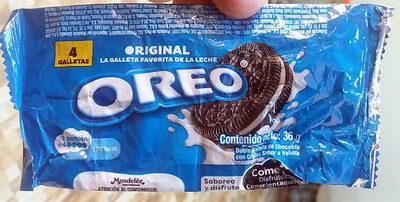
Checking a product without certification? How to review food without a halal label.
Barcode
5410348741742
Category
Botanas,Snacks dulces,Cacao y sus productos,Dulces,Dulces de chocolate,Bombones,en:Assorted chocolate candies
Manufactured In
-
Ingredients
suiker
vet
palm
kokos
zonnebloem
raapzaad
shea
katoenzaad
cacaoboter
cacaomassa
volle melkpoeder
marsepein
suiker
amandelen
glucose
stabilisatoren
e420
e422
melkvet
melk
weipoeder
karamel
glucosestroop
vet
palm
suiker
volle melkpoeder
emulgator
sojalecithine
aroma's
zout
glucosestroop
rozijnen
hazelnoten
dextrose
glucose-fructosestroop
sojameel
magere cacaopoeder
emulgator
sojalecithine
alcohol
magere melkpoeder
kokos
aroma's
sinaasappelolie
cacao
voedingszuur
citroenzuur
amandelen
kleurstof
e160a
emulgator
e471
zout
emulgator
zonnebloemlecithine
Status: HALAL
Reason: Suiker, or sugar, is derived from plants and does not contain any haram ingredients.
Uses: Used as a sweetener in various food and beverage products.
Status: HALAL
Reason: Fat, typically halal if plant or permissible animal source.
Uses: ingredient, texture agent
Status: HALAL
Reason: Common vegetable oil derived from palm.
Status: HALAL
Reason: Kokos, or coconut, is a natural fruit and does not contain any haram substances.
Uses: Commonly used in cooking, baking, and as a flavoring agent in various cuisines.
Status: HALAL
Reason: Sunflower oil, plant-derived ingredient.
Uses: cooking, frying
Status: HALAL
Reason: Oil extracted from rapeseeds commonly used.
Uses: oil, cooking ingredient
Status: HALAL
Reason: Plant-derived fat, used in food and cosmetics.
Uses: emollient, flavoring agent
Status: HALAL
Reason: Seed oil, no animal ingredients.
Uses: cooking, salad dressings
Status: HALAL
Reason: Derived from cacao beans, plant-based.
Uses: chocolate products, cosmetics
Status: HALAL
Reason: Derived from cacao beans, plant-based.
Uses: chocolate production, confections
Status: HARAM
Reason: Milk powder derived from animal sources.
Uses: dairy products, baking
Status: UNKNOWN
Status: HALAL
Reason: Suiker, or sugar, is derived from plants and does not contain any haram ingredients.
Uses: Used as a sweetener in various food and beverage products.
Status: HALAL
Reason: Almonds commonly used in food.
Uses: nuts, flavor
Status: HALAL
Reason: Derived from corn or sugar, plant origin.
Uses: sweetener in beverages, baked goods
Status: HALAL
Reason: Common food stabilizers are usually Halal.
Status: MASHBOOH
Reason: E420 (Sorbitan monostearate) is derived from sorbitol and stearic acid, which can be of plant or animal origin. The exact source is often unspecified, hence its status is uncertain.
Status: HALAL
Reason: Glycerol, a humectant derived from vegetable oils or animal fats.
Uses: humectant in sweets, baked goods
Status: HALAL
Reason: Dairy fat from halal sources.
Status: HALAL
Reason: Milk is a common halal ingredient.
Uses: dairy products, beverages
Status: MASHBOOH
Reason: The ingredient name 'WEIPOEDER' appears to be a typo or invalid.
Uses: N/A
Status: MASHBOOH
Reason: Karamel can sometimes contain non-halal ingredients such as certain flavorings or colorings derived from alcohol or animal sources.
Uses: Karamel is commonly used as a flavoring or topping in desserts, candies, and beverages.
Status: HALAL
Reason: Derived from starch, typically plant-based.
Uses: sweetening agent in foods
Status: HALAL
Reason: Fat, typically halal if plant or permissible animal source.
Uses: ingredient, texture agent
Status: HALAL
Reason: Common vegetable oil derived from palm.
Status: HALAL
Reason: Suiker, or sugar, is derived from plants and does not contain any haram ingredients.
Uses: Used as a sweetener in various food and beverage products.
Status: HARAM
Reason: Milk powder derived from animal sources.
Uses: dairy products, baking
Status: MASHBOOH
Reason: Emulgators can be derived from both halal and haram sources. Without specific information on the source, it remains uncertain.
Uses: Emulgators are commonly used in food products to stabilize mixtures such as oil and water, and are found in items like dressings, sauces, and baked goods.
Status: HALAL
Reason: Soy lecithin is widely used and Halal.
Status: UNKNOWN
Status: HALAL
Reason: Salt is halal.
Uses: seasoning, preservation
Status: HALAL
Reason: Derived from starch, typically plant-based.
Uses: sweetening agent in foods
Status: HALAL
Reason: Dried grapes, plant-based and widely accepted.
Uses: snacks, baking
Status: HALAL
Reason: Hazelnuts are naturally halal.
Status: HALAL
Reason: Common sweetener, derivable from plants.
Uses: sweetener
Status: MASHBOOH
Reason: The ingredient name appears to be misspelled or not a commonly recognized ingredient, leading to uncertainty about its halal status.
Uses: Commonly used as a sweetener in various food products.
Status: HALAL
Reason: Plant-based flour from soybeans.
Status: HALAL
Reason: Fat-reduced cocoa powder is halal.
Uses: cocoa powder
Status: MASHBOOH
Reason: Emulgators can be derived from both halal and haram sources. Without specific information on the source, it remains uncertain.
Uses: Emulgators are commonly used in food products to stabilize mixtures such as oil and water, and are found in items like dressings, sauces, and baked goods.
Status: HALAL
Reason: Soy lecithin is widely used and Halal.
Status: HARAM
Reason: Alcohol is prohibited in halal dietary laws.
Status: HALAL
Reason: Magere melkpoeder (skim milk powder) is derived from milk, which is a halal ingredient as long as it comes from an animal that is halal and processed in accordance with halal standards.
Uses: Used in various food products, beverages, and as a protein supplement.
Status: HALAL
Reason: Kokos, or coconut, is a natural fruit and does not contain any haram substances.
Uses: Commonly used in cooking, baking, and as a flavoring agent in various cuisines.
Status: UNKNOWN
Status: HALAL
Reason: Derived from fruit, considered Halal.
Status: HALAL
Reason: Plant-derived ingredient, permissible in halal diets.
Uses: flavoring in chocolates, confectionery
Status: MASHBOOH
Reason: General term; specific acid not identified.
Status: HALAL
Reason: Natural acidulant, derived from citrus.
Uses: acidulant in food and beverages
Status: HALAL
Reason: Almonds commonly used in food.
Uses: nuts, flavor
Status: HALAL
Reason: Common food colorant, usually halal.
Uses: coloring agent
Status: HALAL
Reason: Natural beta-carotene from plant sources.
Uses: coloring in foods, cosmetics
Status: MASHBOOH
Reason: Emulgators can be derived from both halal and haram sources. Without specific information on the source, it remains uncertain.
Uses: Emulgators are commonly used in food products to stabilize mixtures such as oil and water, and are found in items like dressings, sauces, and baked goods.
Status: HALAL
Reason: Emulsifier derived from plant and animal fats.
Uses: emulsifier in food products
Status: HALAL
Reason: Salt is halal.
Uses: seasoning, preservation
Status: MASHBOOH
Reason: Emulgators can be derived from both halal and haram sources. Without specific information on the source, it remains uncertain.
Uses: Emulgators are commonly used in food products to stabilize mixtures such as oil and water, and are found in items like dressings, sauces, and baked goods.
Status: UNKNOWN
Nutrition Facts
Energy per 100 g / 100 ml
557 kcal
Energy per 100 g / 100 ml
2330 kJ
Fat per 100 g / 100 ml
36.7 g
Saturated fat per 100 g / 100 ml
23.3 g
Carbohydrates per 100 g / 100 ml
50.5 g
Sugars per 100 g / 100 ml
49.2 g
Protein per 100 g / 100 ml
4.3 g
Salt per 100 g / 100 ml
0.11 g
Sodium per 100 g / 100 ml
0.044 g