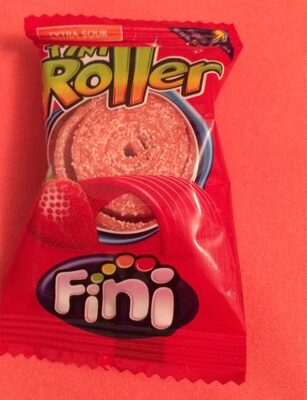
Checking a product without certification? How to review food without a halal label.
Barcode
8411500227729
Category
Acid gummy lassos
Manufactured In
-
Ingredients
jarabe de glucosa-fructosa
azúcar
harina de _trigo_
agua
acidulantes
e330
e296
grasa vegetal
coco
corrector de acidez
e350
emulgente
e471
aromas
conservador
e202
colorantes
e122
e129
Status: HALAL
Reason: Derived from natural sugars, no animal origin.
Uses: sweetener in beverages, confections
Status: HALAL
Reason: Common food ingredient, easily classified.
Status: UNKNOWN
Status: HALAL
Reason: Essential water, no animal origin.
Uses: solvent, beverage ingredient
Status: UNKNOWN
Reason: Unspecified acidulants could vary in halal status.
Status: HALAL
Reason: Citric acid, plant-derived and widely used.
Uses: acidulant in drinks, foods
Status: HALAL
Reason: Regulator of acidity derived from various sources.
Uses: acid regulator in food products
Status: HALAL
Reason: Plant-derived fats with no animal origin.
Uses: baking, cooking, margarine
Status: HALAL
Reason: Refers to cocoa products, plant-derived.
Uses: chocolates, drinks
Status: HALAL
Reason: Used for food acid regulation, halal.
Uses: acid regulator
Status: MASHBOOH
Reason: E350, also known as sodium bicarbonate, is generally considered allowable but can be a concern if sourced from non-halal certified materials or processed in non-halal facilities.
Status: HALAL
Reason: Emulsifier typically sourced from halal sources.
Uses: emulsifier
Status: HALAL
Reason: Emulsifier derived from plant and animal fats.
Uses: emulsifier in food products
Status: HALAL
Reason: Flavor compounds, usually synthetic or natural.
Uses: flavoring in various food products
Status: HALAL
Reason: Commonly used as a preservative in food.
Uses: preservatives
Status: HALAL
Reason: Sodium or potassium salt of sorbic acid, a safe food preservative.
Uses: preservative in various food products
Status: MASHBOOH
Reason: Colors may be synthetic or plant-based; origin uncertain.
Uses: coloring in snacks, beverages
Status: MASHBOOH
Reason: E122 is a food dye that can be derived from both halal and haram sources; its status depends on the source of the colorant.
Status: HARAM
Reason: Allura Red, derived from animal sources.
Uses: coloring in confectionery
Nutrition Facts
Energy per 100 g / 100 ml
349 kcal
Energy per 100 g / 100 ml
1480 kJ
Fat per 100 g / 100 ml
1.6 g
Saturated fat per 100 g / 100 ml
1.2 g
Carbohydrates per 100 g / 100 ml
81 g
Sugars per 100 g / 100 ml
56 g
Protein per 100 g / 100 ml
2 g
Salt per 100 g / 100 ml
0.133 g
Sodium per 100 g / 100 ml
0.0532 g