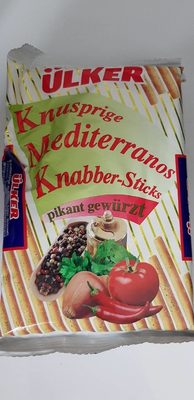
Checking a product without certification? How to review food without a halal label.
Barcode
8690504015352
Category
Snacks, Snacks salés, Amuse-gueules
Manufactured In
-
Ingredients
farine de blé
huile de palme
sirop de glucose
sel
poudre de lactosérum
produits laitiers
sucre
farine de pomme de terre
concentré de tomates
arôme
poudre à lever
carbonates de sodium
carbonate d'ammonium
diphosphate disodique
épices
thyme
persil
paprika
oignon
émulsifiant
lécithine de soja
Status: HALAL
Reason: Farine de blé (wheat flour) is derived from wheat, which is considered halal.
Uses: Commonly used in baking, cooking, and food production.
Status: HALAL
Reason: Plant-derived fat, meets Halal standards.
Uses: cooking, baking, manufacturing
Status: HALAL
Reason: Derived from corn or wheat; halal source.
Status: MASHBOOH
Reason: Not a specific ingredient; may refer to salt in different contexts or forms that could include additives.
Uses: Commonly used as a seasoning or preservative.
Status: UNKNOWN
Status: UNKNOWN
Status: HALAL
Reason: Common sugar, Halal.
Uses: sweetener
Status: UNKNOWN
Status: UNKNOWN
Status: MASHBOOH
Reason: Generic term; origin uncertain.
Uses: flavoring agent
Status: UNKNOWN
Status: HALAL
Reason: Commonly used and recognized as halal; derived from mineral sources.
Uses: Leavening agent, acidity regulator
Status: UNKNOWN
Status: HALAL
Reason: Food additive, commonly known as E450.
Uses: emulsifier, leavening agent
Status: HALAL
Reason: Spices are plant-based and halal.
Status: HALAL
Reason: Herb widely used in cooking, plant-derived.
Uses: seasoning, flavoring
Status: HALAL
Reason: Parsley is a herb and halal.
Status: HALAL
Reason: Plant-derived spice made from capsicum.
Uses: coloring and flavoring in dishes
Status: HALAL
Reason: Oignon (onion) is a vegetable and permissible in Islam.
Uses: Commonly used in various dishes for flavor and nutrition.
Status: UNKNOWN
Status: HALAL
Reason: Lécithine de soja is derived from soybeans and is generally considered halal as it is a plant-based emulsifier and does not contain any haram substances.
Uses: Commonly used as an emulsifying agent in food products, including chocolates, baked goods, and margarine.
Nutrition Facts
Energy per 100 g / 100 ml
477 kcal
Energy per 100 g / 100 ml
1996 kJ
Fat per 100 g / 100 ml
21 g
Saturated fat per 100 g / 100 ml
10 g
Carbohydrates per 100 g / 100 ml
63 g
Sugars per 100 g / 100 ml
8 g
Fibre per 100 g / 100 ml
60 g
Protein per 100 g / 100 ml
8 g
Salt per 100 g / 100 ml
2.275 g
Sodium per 100 g / 100 ml
0.91 g