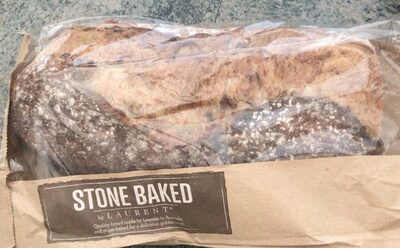
Checking a product without certification? How to review food without a halal label.
Barcode
9339423003499
Category
Rye breads
Manufactured In
-
Ingredients
sliced rye bread wheat flour
water
rye flour (11%)
rye mea (5%)
bakers yeast
vinegar
wheat gluten
lodised salt
canola oil
fermented wheat flour
soy flour
barley malt flour (0.3%)
vegetable emulsifiers (471, 472e, 481)
vitamins (thiamin, folic acid). contains: wheat
gluten
soy. may be present: other cereal (oats)
sesame. suitable for vegetarians and vegans.
Status: HALAL
Reason: Wheat flour is derived from wheat, which is a permissible grain in Islam.
Status: HALAL
Reason: Water is a natural substance and is considered pure and permissible in Islam.
Status: HALAL
Reason: Rye flour is made from rye grain and does not contain any haram substances.
Status: MASHBOOH
Reason: Input is not a valid ingredient name.
Status: HALAL
Reason: Yeast is a microorganism used in baking and brewing, which is permissible in Islam.
Status: HALAL
Reason: Vinegar is made through fermentation and does not contain any haram ingredients.
Status: HALAL
Reason: Gluten is a protein found in wheat and other grains, and is permissible in a halal diet.
Status: HALAL
Reason: Salt is a mineral and does not contain any prohibited ingredients.
Status: HALAL
Reason: Canola oil is derived from the seeds of the canola plant and does not contain any haram components.
Status: HALAL
Reason: Wheat flour is derived from wheat, which is a permissible grain in Islam.
Status: HALAL
Reason: Soy is a plant-based ingredient and does not contain any haram components. It is generally considered halal unless processed with haram substances.
Status: MASHBOOH
Reason: Input is not a valid ingredient name.
Status: MASHBOOH
Reason: Emulsifiers can be derived from both halal and haram sources, and without specific information on the source, it cannot be definitively categorized.
Status: HALAL
Reason: Folic acid is a synthetic form of vitamin B9, which is not derived from any haram sources.
Status: HALAL
Reason: Gluten is a protein found in wheat and other grains, and is permissible in a halal diet.
Status: MASHBOOH
Reason: Input is not a valid ingredient name.
Status: MASHBOOH
Reason: Input is not a valid ingredient name.
Nutrition Facts
Energy per 100 g / 100 ml
244 kcal
Energy per 100 g / 100 ml
1020 kJ
Fat per 100 g / 100 ml
2.24 g
Saturated fat per 100 g / 100 ml
0.658 g
Carbohydrates per 100 g / 100 ml
44.2 g
Sugars per 100 g / 100 ml
2.37 g
Fibre per 100 g / 100 ml
4.21 g
Protein per 100 g / 100 ml
8.82 g
Salt per 100 g / 100 ml
0.947 g
Sodium per 100 g / 100 ml
0.379 g